Seafood

  • Samake Harra

    Samake Harra

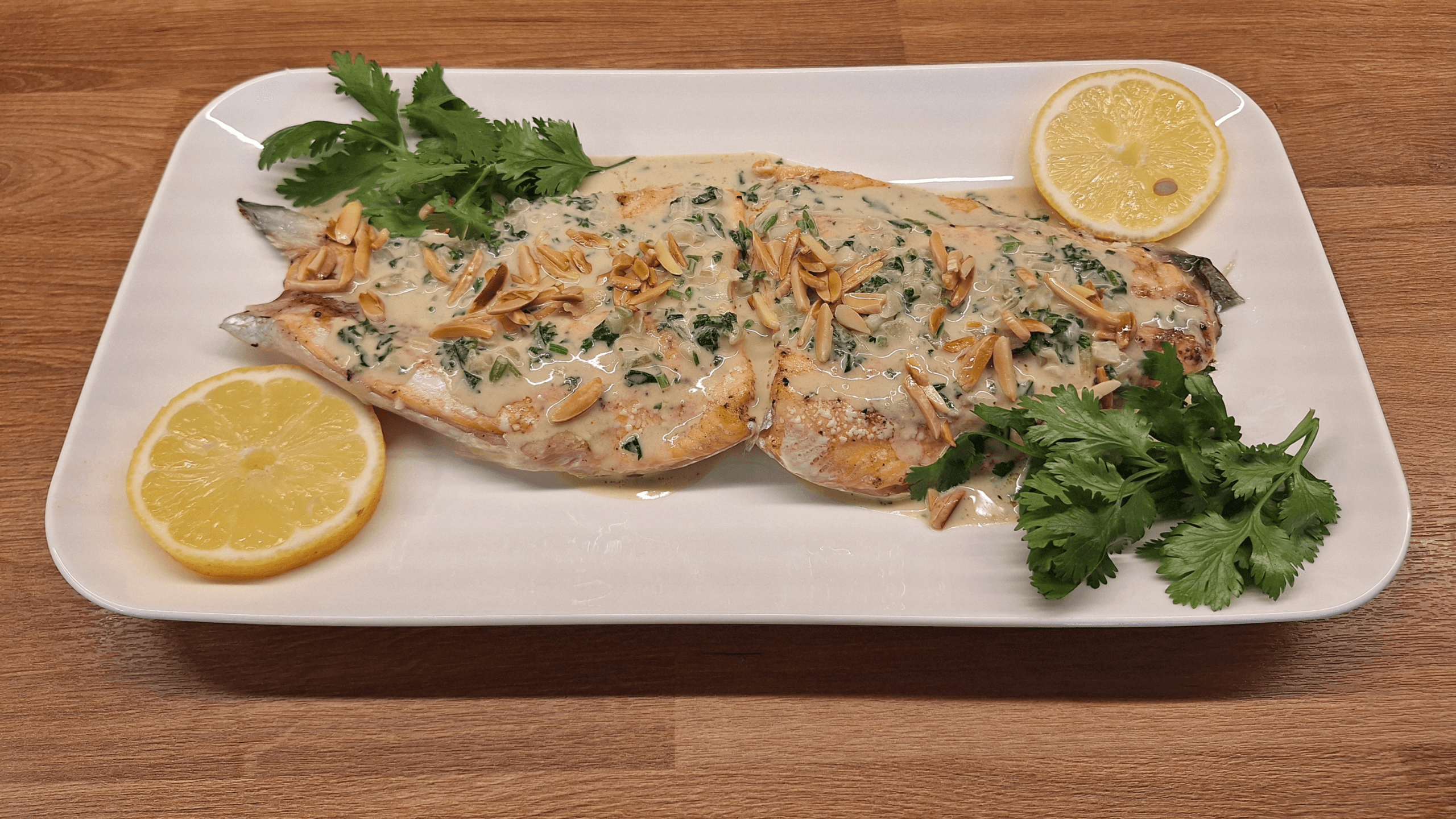
    Samake Harra is a Lebanese fish dish known for its bold combination of tahini, walnuts, garlic, chili, lemon, and coriander. The fist typicall baked or roasted, then served with a rich, tangy, and mildly spicy sauce that gives the dish its distinctive flavor.

    Samake Harra is built around cooked fish paired with a strongly flavored sauce or topping made from ingredients such as tahini, garlic, chili, lemon and nuts. Depending on the version, the sauce may be spooned over the fish before serving or baked together with it.

    The dish combines the richness of tahini and walnuts with acidity from lemon and heat from chili, creating a balance that is both bold and fresh. Fresh coriander is often used to add another layer of aroma and color.

    Samake Harra in Lebanese food culture

    Samake Harra is especially associated with Lebanon’s coastal food traditions, where fish and seafood are an important part of the local table. It is often served as a shared dish, making it well suited to family meals and mezze-style spreads.

    Although the exact preparation varies from one cook to another, the combination of fish with tahini, nuts, garlic, chili, and lemon reflects a broader Lebanese preference for balancing richness with acidity, heat, and fresh herbs.

    What does Samake Harra taste like?

    Samake Harra is rich, tangy and gently spicy, with the fish providing a mild base for the more assertive sauce. Tahini and walnuts add body and nuttiness, while lemon juice brings brightness and keeps the dish from feeling too heavy.

    Garlic and chili give the sauce depth and heat, while coriander adds a fresh, aromatic note. The exact balance can vary, but the finished dish is usually defined by the contrast between creamy richness, acidity, spice and the delicate flavor of the fish.

    How Samake Harra varies

    Samake Harra is not prepared in exactly the same way everywhere. Some versions use a whole fish, while others use fillets, and the sauce can range from thick and nutty to looser and more tahini-forward.

    The level of chili also varies considerably, as does the balance of walnuts, garlic, lemon and coriander. In some preparations the sauce is baked with the fish, while in others it is added after cooking so the flavors remain brighter and more distinct.

    Where does Samake Harra come from?

    Samake Harra is particularly associated with Tripoli and El-Mina on Lebanon’s northern coast, an area with a strong seafood tradition. The dish reflects the region’s access to fresh fish as well as the bold use of tahini, garlic, lemon, chili and herbs in Lebanese cooking.

    As with many traditional dishes, there is no single fixed preparation, and versions have spread well beyond northern Lebanon. What remains consistent is the combination of fish with a rich, tangy and spicy sauce that gives Samake Harra its distinctive character.

    Make Samake Harra at home

    Ready to make it yourself? Follow the full Samake Harra recipe with ingredients, step-by-step instructions, recipe notes and video.
  • Moqueca

    Moqueca

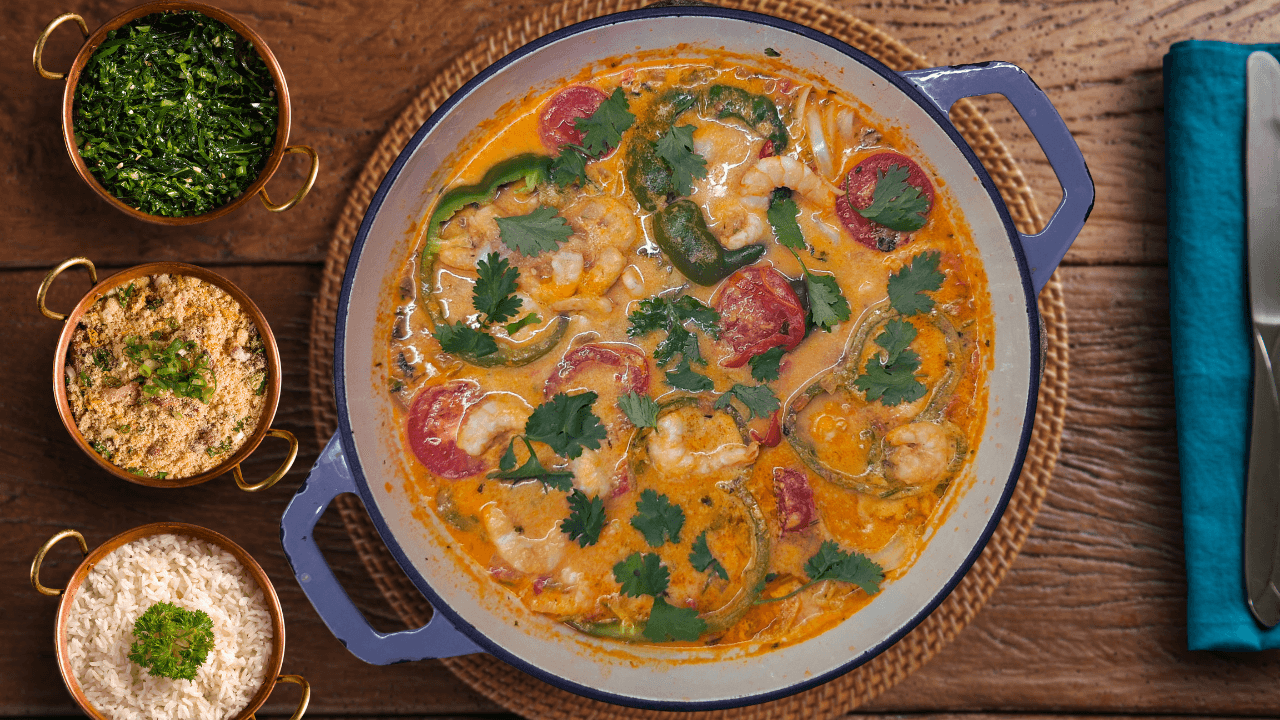
    Moqueca is a Brazilian seafood stew with tender fish and shrimp simmered in a rich sauce of coconut milk, tomatoes, peppers, onions, cilantro and palm oil. Fragrant, colorful and deeply satisfying, it combines the richness of coconut with fresh herbs, gentle acidity and the distinctive flavor of palm oil.

    What is Moqueca?

    Moqueca is a Brazilian seafood stew in which fish is gently cooked in a flavorful sauce built from tomatoes, onions, peppers and fresh herbs. In this version, firm white fish and shrimp are combined with coconut milk and palm oil, creating a rich sauce while allowing the seafood to remain the focus of the dish.

    The fish is first coated in an aromatic marinade of onion, garlic, cilantro, lemon, ginger, chili and tomato paste. The stew base is then cooked slowly until the vegetables soften and concentrate before the coconut milk and seafood are added toward the end of cooking.

    Moqueca in Brazilian food culture

    Moqueca is closely associated with Brazil’s coastal food traditions, particularly in the states of Bahia and Espírito Santo. Both regions have distinctive versions of the dish, reflecting different local ingredients and culinary traditions.

    The use of coconut milk and palm oil is especially characteristic of moqueca baiana, the Bahian style represented by this version. In Espírito Santo, moqueca capixaba is traditionally prepared without coconut milk or palm oil and is strongly associated with the region’s handmade clay cooking pots.

    What does Moqueca taste like?

    Moqueca is rich, aromatic and gently tangy, with the sweetness of coconut milk balanced by tomatoes, lemon, fresh herbs and chili. The fish and shrimp remain delicate and juicy while absorbing the flavors of the surrounding sauce.

    Palm oil gives this version its distinctive depth and character, while cilantro, peppers, ginger and garlic keep the stew fresh and fragrant. The result is creamy without feeling heavy, with layers of savory, bright and slightly spicy flavor.

    How Moqueca varies

    Moqueca varies considerably across Brazil, with the best-known regional distinction between Bahian and Capixaba styles. Moqueca baiana typically includes coconut milk and azeite de dendê, or palm oil, giving it a richer texture and distinctive flavor. Moqueca capixaba, associated with Espírito Santo, traditionally omits both coconut milk and palm oil, instead using ingredients such as olive oil and urucum and cooking the dish in a traditional clay pot.

    The seafood can also vary widely. Moqueca may be made with different firm fish, shrimp, octopus or combinations of seafood, while some versions use ingredients such as banana-da-terra or even plant-based alternatives. This mixed fish-and-shrimp version follows the richer Bahian style through its use of coconut milk and palm oil.

    Where does Moqueca come from?

    The precise origin of Moqueca is difficult to reduce to a single place or moment. Its foundations are closely connected with Indigenous cooking traditions along Brazil’s coast, particularly the preparation of fish and seafood. Over time, those traditions developed through the cultural exchanges that shaped Brazilian cuisine, including Indigenous, African and European influences.

    In Bahia, African culinary influences helped shape the distinctive style now known as moqueca baiana, particularly through ingredients such as coconut milk and azeite de dendê. In Espírito Santo, a different regional tradition developed around moqueca capixaba, prepared without coconut milk or palm oil and strongly associated with handmade clay pots of Indigenous origin. Together, these traditions show how Moqueca became not one fixed recipe, but a family of distinctly Brazilian seafood dishes.

    Make Moqueca at home

    Ready to make it yourself? Follow the full Moqueca recipe with ingredients, step-by-step instructions, recipe notes and video.
  • Seafood Paella

    Seafood Paella

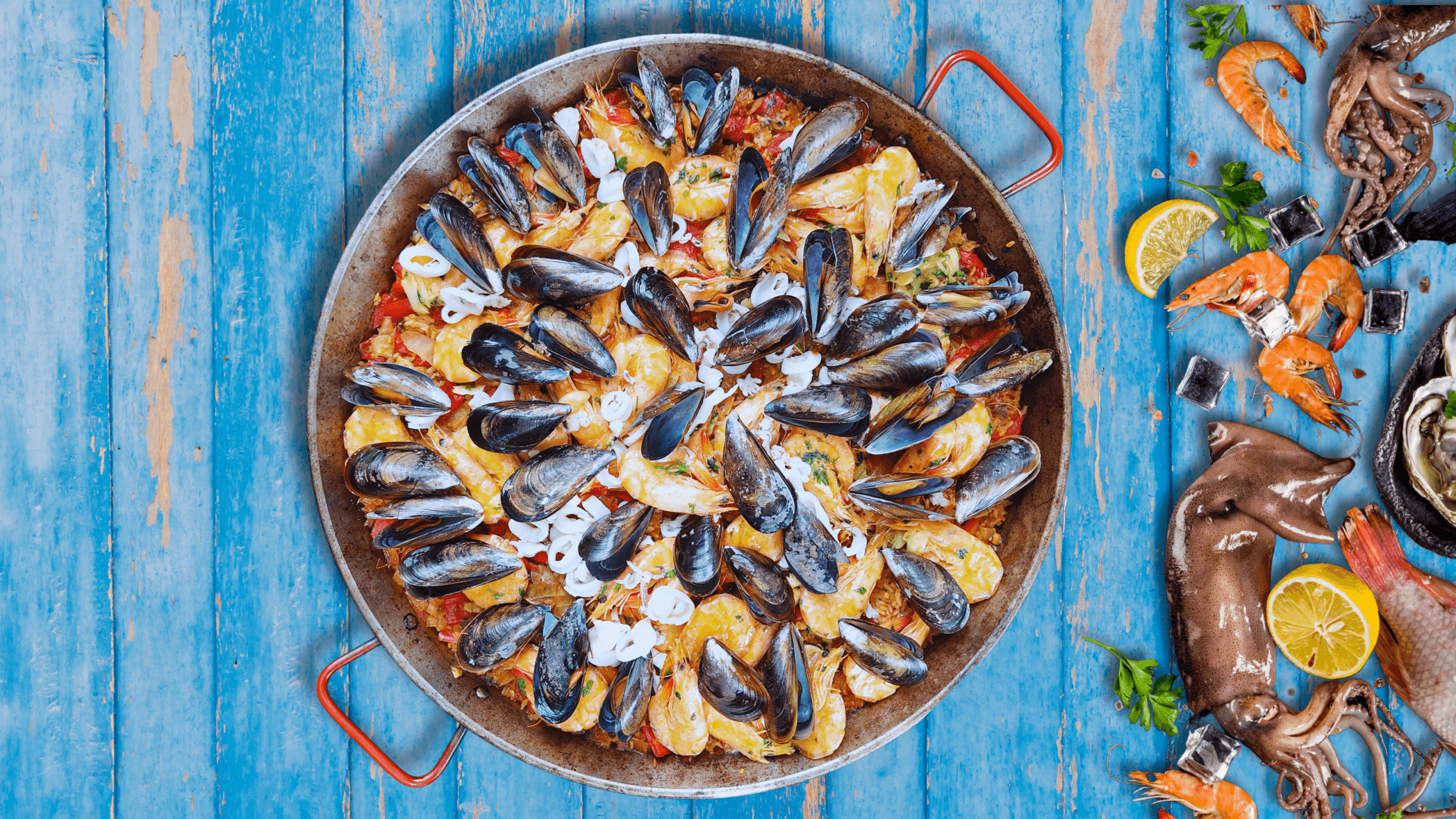
    Seafood Paella is a Spanish rice dish cooked with shrimp, mussels and squid, flavored with saffron, paprika, tomatoes and fish stock. The rice cooks uncovered in a wide pan without stirring, allowing it to absorb the broth evenly and develop the prized crisp layer on the bottom known as socarrat.

    What is Seafood Paella?

    Seafood Paella is a variation of paella made with short- or medium-grain rice and seafood such as shrimp, mussels and squid. The rice is cooked in a wide, shallow pan with a flavorful broth, saffron and seasonings, allowing it to absorb the liquid while remaining spread in a thin, even layer.

    Unlike risotto, paella is not stirred continuously once the broth has been added. Leaving the rice undisturbed helps it cook evenly and encourages the formation of socarrat, the deeply toasted layer of rice that can develop on the bottom of the pan.

    Seafood Paella in Spanish food culture

    Paella is one of Spain’s most internationally recognized dishes, although its roots are strongly associated with Valencia. Traditionally cooked in a wide, shallow pan, it is often prepared for gatherings and shared meals, with the pan placed at the center of the table.

    Seafood versions are especially common in coastal areas and typically feature combinations of shrimp, mussels, squid and other shellfish. While they differ from traditional Valencian paella, seafood paellas have become one of the best-known expressions of the dish both in Spain and abroad.

    What does Seafood Paella taste like?

    Seafood Paella is savory, briny and aromatic, with the rice absorbing the flavors of fish stock, saffron, tomatoes, paprika and olive oil. Shrimp, mussels and squid add layers of sweetness and ocean flavor, while the vegetables bring softness and depth.

    The best versions also have textural contrast: tender grains of rice on top and a crisp, toasted layer underneath. A squeeze of lemon at the table adds brightness and helps balance the richness of the seafood and olive oil.

    How Seafood Paella varies

    Seafood Paella varies depending on the seafood available, the type of stock used and the region or cook preparing it. Common additions include shrimp, mussels, squid, clams or other shellfish, while some versions use a homemade seafood stock and others rely on fish stock for convenience.

    The rice can also vary, although Spanish short- or medium-grain varieties such as bomba, calasparra or arroz redonda are especially well suited to paella because they absorb broth while holding their shape. The amount of saffron, paprika and tomato can differ as well, producing versions that range from delicate and aromatic to richer and more intensely seasoned.

    Where does Seafood Paella come from?

    Paella originated in the Valencia region of eastern Spain, where rice has long been an important part of the local food culture. Early versions were cooked outdoors in wide pans and made with ingredients that were readily available locally, including rice, vegetables and meat.

    Seafood Paella developed as one of the dish’s major variations, particularly in coastal areas where fresh fish and shellfish were abundant. Over time, versions made with shrimp, mussels, squid and other seafood became widely associated with Spanish cuisine and helped turn paella into one of the country’s best-known dishes internationally.

    Make Seafood Paella at home

    Ready to make it yourself? Follow the full Seafood Paella recipe with ingredients, step-by-step instructions, recipe notes and video.
  • Pad Thai

    Pad Thai

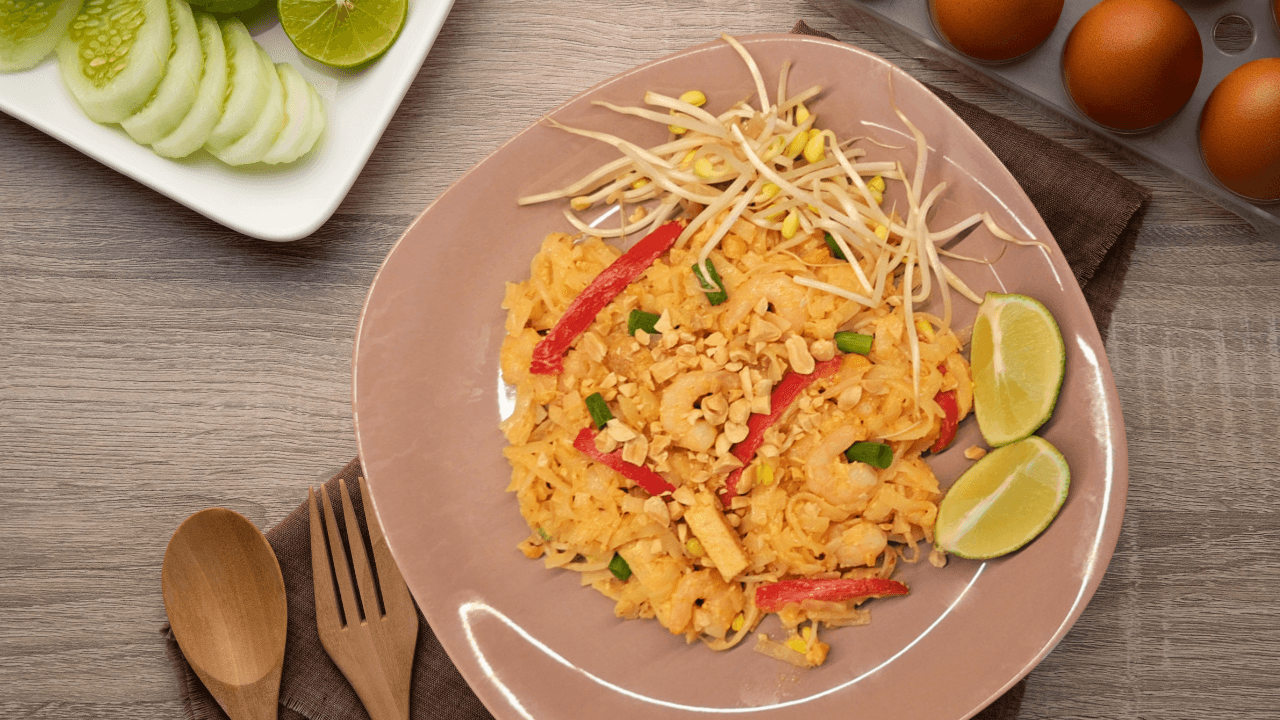
    Pad Thai is a Thai stir-fried noodle dish made with rice noodles, shrimp, tofu, eggs, bean sprouts and peanuts, all coated in a sweet, sour and savory tamarind-based sauce. Lime and chili are often added at the table for extra brightness and heat.

    What is Pad Thai?

    Pad Thai is a Thai stir-fried noodle dish made with flat rice noodles and a sauce built around tamarind, fish sauce and sugar. It commonly includes ingredients such as egg, tofu, bean sprouts, peanuts and a protein such as shrimp or chicken.

    The noodles are stir-fried quickly over high heat so they absorb the sauce while staying tender rather than soft or mushy. The finished dish is usually served with lime, peanuts, and additional bean sprouts, allowing each person to adjust the flavor and texture at the table.

    Pad Thai in Thai food culture

    Pad Thai is one of Thailand’s best-known noodle dishes and is widely associated with the country’s street-food culture. It is commonly cooked quickly to order in a wok, with the noodles, sauce, egg, tofu and other ingredients tossed together over high heat.

    Part of the appeal of Pad Thai is the balance of flavors and textures in a single dish: sour tamarind, salty fish sauce, sweetness, tender noodles, crunchy peanuts and fresh bean sprouts. Lime wedges and chili are often served alongside so diners can adjust the acidity and heat to their own taste.

    What does Pad Thai taste like?

    Pad Thai is sweet, sour, salty and savory, with tamarind providing its characteristic tang, fish sauce adding depth and brown sugar rounding out the sauce. The rice noodles absorb these flavors while remaining soft and slightly chewy.

    Shrimp, egg and tofu add richness, while bean sprouts and peanuts bring freshness and crunch. A squeeze of lime brightens the dish, and chili flakes can add as much heat as you like.

    How Pad Thai varies

    Pad Thai varies widely depending on the cook, region and ingredients available. Common proteins include shrimp, chicken and tofu, while some versions add extra vegetables or leave out certain components entirely.

    The balance of tamarind, fish sauce and sugar also changes from recipe to recipe, creating versions that are more tangy, savory or sweet. Garnishes can vary as well, but peanuts, bean sprouts, lime and chili are among the most common finishing touches.

    Where does Pad Thai come from?

    Pad Thai developed in Thailand from a broader tradition of stir-fried rice noodle dishes influenced by Chinese cooking techniques. Its modern form became especially prominent during the 20th century, when the Thai government promoted it as part of a wider effort to encourage a shared national food identity.

    The dish went on to become one of Thailand’s most recognizable foods, both at home and internationally. Although its exact origins are more complex than a single invention story, Pad Thai is now firmly associated with Thai street food and everyday cooking.

    Make Pad Thai at home

    Ready to make it yourself? Follow the full Pad Thai recipe with ingredients, step-by-step instructions, recipe notes and video.
  • Bacalhau à Brás

    Bacalhau à Brás

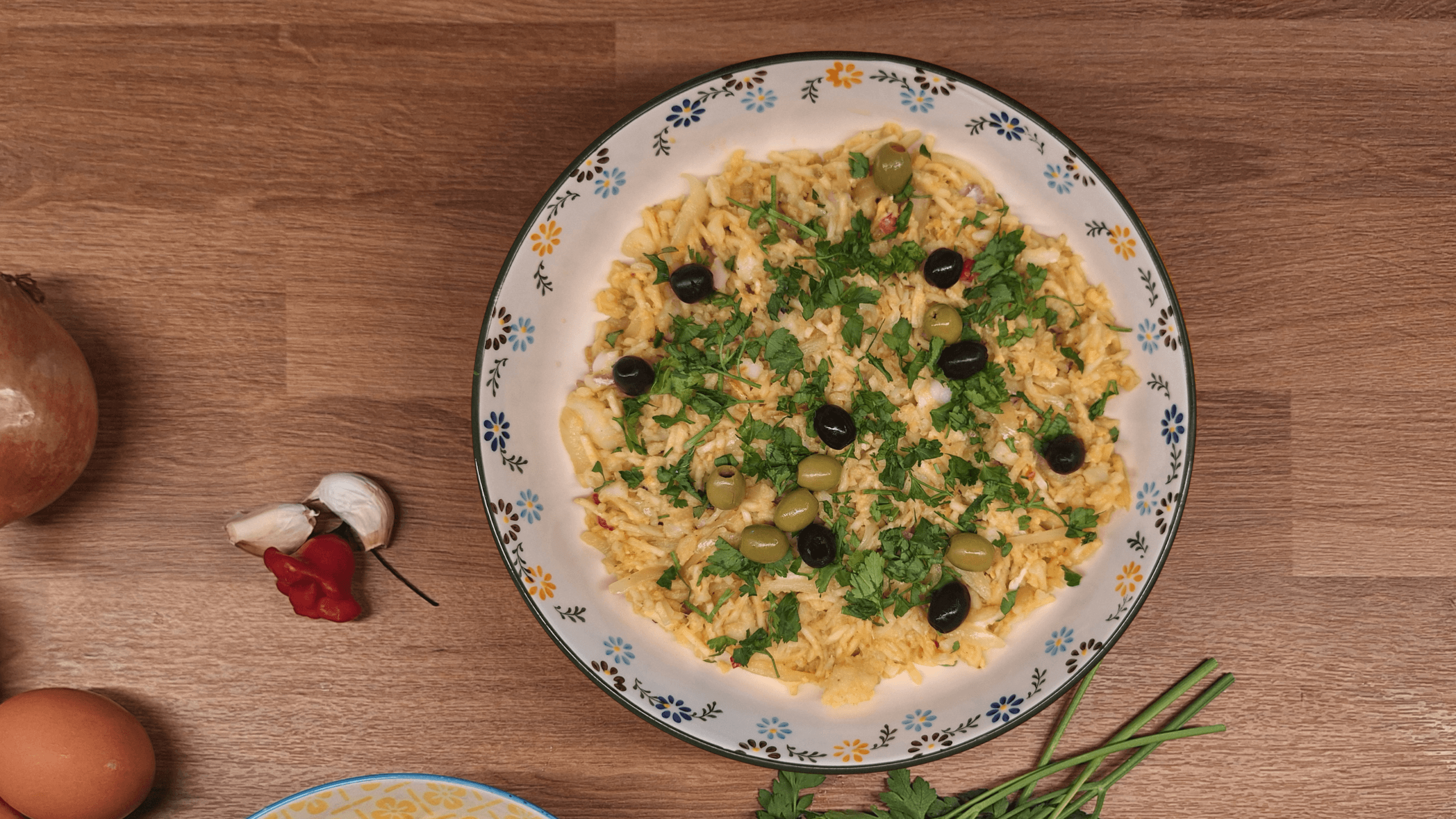
    Bacalhau à Brás is a classic Portuguese dish made with shredded cod, thin fried potato sticks, onions, and softly cooked eggs. Finished with olives and fresh parsley, it is rich, savory and comforting while still coming together quickly in one pan.

    What is Bacalhau à Brás?

    Bacalhau à Brás is a Portuguese dish made by combining shredded cod with onions, thin fried potato sticks and softly cooked eggs. The mixture is cooked just until the eggs become creamy, then finished with olives and fresh parsley.

    The dish is known for its contrast of textures: tender cod, soft onions, crisp-tender potato sticks and silky eggs. Although the ingredient list is simple, the balance between the salty cod, rich eggs and potatoes gives Bacalhau à Brás its distinctive character.

    Bacalhau à Brás in Portuguese food culture

    Bacalhau à Brás is one of Portugal’s best-known cod dishes and reflects the country’s long tradition of cooking with bacalhau, or salt cod. Cod appears in countless Portuguese preparations, from simple home cooking to festive meals, and Bacalhau à Brás is one of the most popular everyday versions.

    The dish is especially appreciated for turning a small number of familiar ingredients into something rich and satisfying. Its combination of cod, potatoes, eggs, onions, olives and parsley makes it both practical and deeply associated with Portuguese comfort food.

    What does Bacalhau à Brás taste like?

    Bacalhau à Brás is savory, salty and rich, with the cod providing most of the dish’s depth and the eggs giving it a soft, creamy texture. The fried potato sticks add a gentle crispness, while the onions bring sweetness and balance.

    Olives add a briny contrast, and fresh parsley lifts the dish with a clean herbal note. When cooked properly, the eggs should remain soft rather than fully set, which keeps the whole dish moist and cohesive.

    How Bacalhau à Brás varies

    Bacalhau à Brás varies mainly in the proportion of cod, potatoes and eggs, as well as in how creamy the final mixture is. Some versions use more potato for extra texture, while others emphasize the cod and eggs.

    The garnish can also vary, with some cooks using only black olives and others adding green olives as well. Optional additions such as chili or bay leaf can bring extra depth, but the core combination of shredded cod, onions, fried potato sticks and softly cooked eggs remains the defining feature.

    Where does Bacalhau à Brás come from?

    Bacalhau à Brás is generally associated with Lisbon and is traditionally linked to a cook or tavern owner named Brás, who is said to have created the dish using shredded cod, onions, fried potatoes and eggs.

    The recipe became widely popular throughout Portugal and is now considered one of the country’s classic bacalhau preparations. Its simple ingredients and quick preparation helped make it a familiar dish in both homes and restaurants.

    Make Bacalhau à Brás at home

    Ready to make it yourself? Follow the full Bacalhau à Brás recipe with ingredients, step-by-step instructions, recipe notes, and video.

  • Arroz de Marisco

    Arroz de Marisco

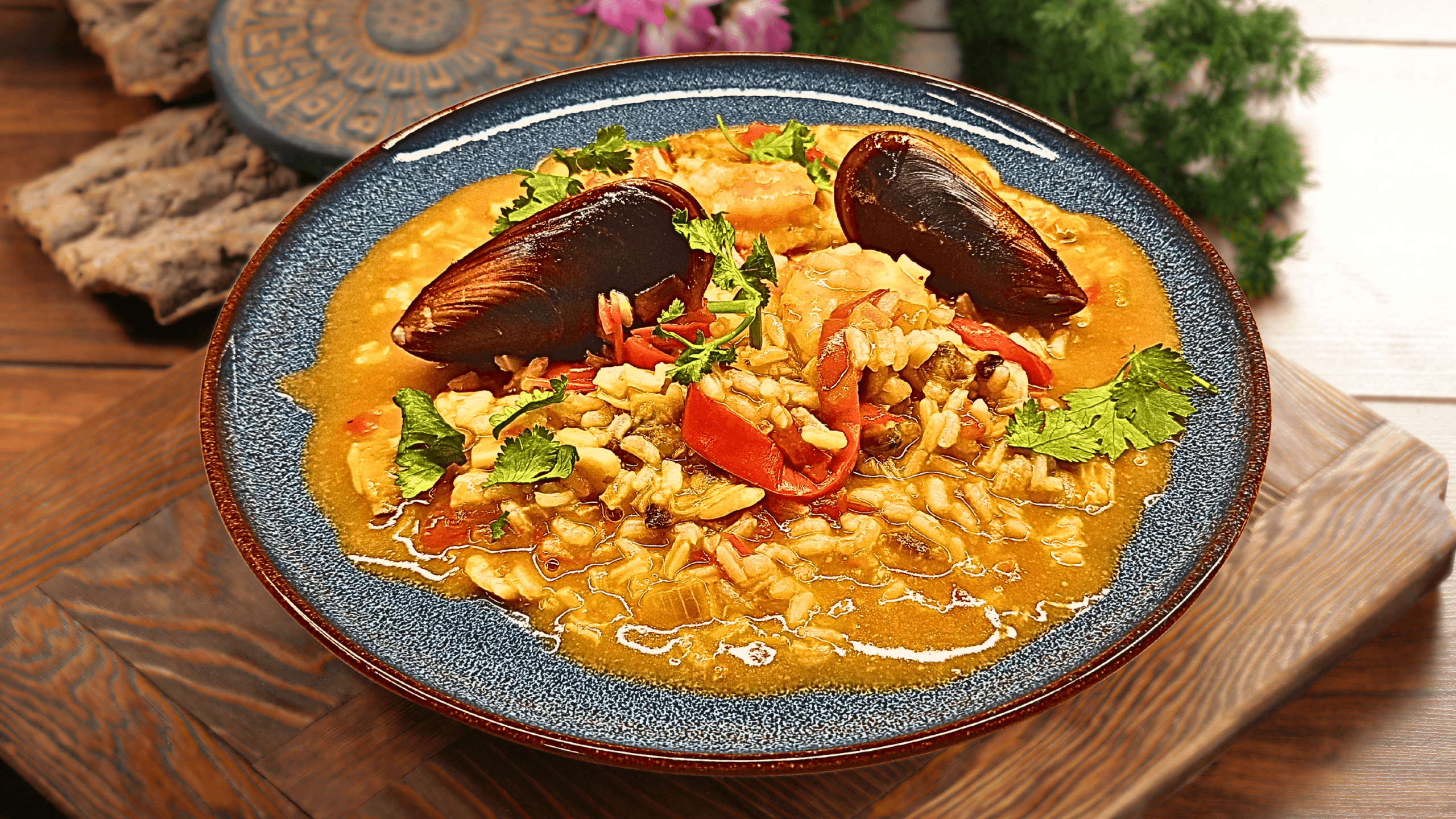
    Arroz de Marisco is a Portuguese seafood rice dish made with Carolino rice, shrimp, mussels, and clams cooked in a rich tomato and shellfish broth. Unlike paella, the rice is kept loose and brothy, with white wine, peppers, garlic, and cilantro adding depth and freshness.

    What is Arroz de Marisco?

    Arroz de Marisco is a Portuguese seafood rice dish made by cooking rice directly in a flavorful broth with shellfish such as shrimp, mussels and clams. Tomatoes, peppers, garlic and white wine build the base, while the rice absorbs the broth as it cooks.

    Unlike drier rice dishes, Arroz de Marisco is meant to remain loose, saucy and almost soup-like. Carolino rice is especially well suited to the dish because it absorbs flavor while releasing enough starch to give the broth a slightly creamy texture.

    Arroz de Marisco in Portuguese food culture

    Arroz de Marisco is a well-known Portuguese seafood dish, especially associated with coastal cooking and the country’s strong tradition of preparing rice with fish and shellfish. It is commonly served as a generous shared meal, with the rice carrying the flavor of the seafood broth rather than being cooked dry.

    The dish reflects the importance of seafood in Portuguese cuisine, combining shellfish with tomatoes, peppers, garlic, wine and fresh herbs. Its loose, brothy texture is part of what distinguishes it from drier rice dishes and makes it especially comforting and satisfying.

    What does Arroz de Marisco taste like?

    Arroz de Marisco is rich, savory and deeply seafood-forward, with the shrimp broth carrying the flavor of the shellfish into every grain of rice. Tomatoes, garlic, onions and red bell pepper add sweetness and depth, while white wine brings a light acidity.

    The rice itself is soft and creamy rather than dry, with a loose broth surrounding it. Fresh cilantro adds a bright herbal finish, while the shrimp, mussels and clams provide different layers of briny, sweet and ocean-like flavor.

    How Arroz de Marisco varies

    Arroz de Marisco varies depending on the seafood available, with different versions using combinations of shrimp, clams, mussels, crab, lobster or pieces of fish. The broth can also vary in intensity depending on whether it is made from shrimp shells, other seafood, or a prepared fish stock.

    The amount of tomato, wine and herbs differs from cook to cook, as does the final consistency. Some versions are slightly thicker, while others are served with plenty of broth. This version uses shrimp, mussels and clams with Carolino rice and keeps the finished dish deliberately loose and almost soup-like.

    Where does Arroz de Marisco come from?

    Arroz de Marisco comes from Portugal’s coastal cooking traditions, where rice is often prepared with fish and shellfish in flavorful broths. The dish reflects the country’s long connection to the Atlantic and its extensive use of seafood in everyday and celebratory meals.

    Over time, Arroz de Marisco became one of Portugal’s best-known seafood rice dishes, with regional and household versions using whatever shellfish is freshest and most available. The defining feature is not one exact combination of seafood, but the generous, brothy style of cooking the rice together with shellfish and its cooking liquid.

    Make Arroz de Marisco at home

    Ready to make it yourself? Follow the full Arroz de Marisco recipe with ingredients, step-by-step instructions, recipe notes and video.

  • Samake Harra

    Samake Harra

    This Samake Harra recipe pairs baked salmon with a warm Lebanese tahini sauce flavored with onion, garlic, cilantro, lemon and cayenne. The sauce is creamy, tangy and gently spicy, and the finished fish is topped with toasted nuts for extra texture.

    Ingredients

    For the fish

    • 500 g (about 1.1 lb) salmon fillet, or another fish fillet
    • 1 tbsp (15 ml) extra-virgin olive oil
    • 1/3 tsp salt
    • 1/3 tsp ground cumin
    • 1/8 to 1/4 tsp black pepper

    For the tahini sauce

    • 1 1/2 tbsp (about 22 ml) extra-virgin olive oil
    • 45 g finely chopped onion, about 1/3 cup
    • 3 garlic cloves, minced
    • 1/3 tsp salt, for the onion and garlic mixture
    • 2/3 bunch fresh cilantro, finely chopped, about 20 g (2/3 oz)
    • 80 ml (1/3 cup) tahini
    • 120 ml (1/2 cup) freshly squeezed lemon juice
    • 80 ml (1/3 cup) water, plus more if needed
    • 1/3 tsp salt, for the tahini sauce
    • 1/8 to 1/4 tsp cayenne pepper, or to taste
    • 15–20 g toasted slivered almonds, about 2 tbsp, or toasted pine nuts

    Instructions

    Prepare the sauce base

    Heat 1 1/2 tbsp (about 22 ml) extra-virgin olive oil in a pan over medium heat. Add the finely chopped onion and cook until softened and golden.

    Add the minced garlic and 1/3 tsp salt. Cook for about 1 minute, just until the garlic becomes fragrant.

    Add the chopped cilantro and stir for another minute. Turn off the heat and set the mixture aside.

    Prepare and bake the fish

    Preheat the oven to 180°C / 350°F.

    Place the fish fillet on a parchment-lined baking tray. In a small bowl, mix the salt, cumin and black pepper, then sprinkle the seasoning evenly over the fish. Drizzle with the olive oil and gently rub the oil and spices over the surface.

    Bake on the middle rack for about 15 minutes, or until the fish is cooked through and flakes easily with a fork. The exact time will depend on the thickness of the fillet.

    Make the tahini sauce

    While the fish is baking, combine the tahini and lemon juice in a bowl. The mixture may thicken or look slightly stiff at first; keep mixing until it becomes smooth.

    Add the water gradually and continue mixing until the sauce becomes creamy and pourable.

    Season with 1/3 tsp salt and the cayenne pepper. Taste and adjust with more salt, cayenne, lemon juice or water if needed.

    Warm and finish the sauce

    About 5 minutes before the fish is ready, return the onion, garlic and cilantro mixture to the stove over medium-low heat. Add the tahini mixture and stir well to combine.

    Keep stirring until the sauce begins to bubble gently. Reduce the heat and simmer for about 1 minute, then turn off the heat. If the sauce becomes too thick, loosen it with a small splash of water.

    Serve

    Remove the fish from the oven and carefully transfer it to a serving plate. Spoon the warm tahini sauce over the fish, leaving some extra sauce on the side for serving.

    Finish with the toasted slivered almonds or pine nuts and serve immediately.

    Recipe notes

    Choosing the fish

    Salmon works well because its richness stands up to the tahini sauce, but you can use another firm fish fillet if you prefer. Adjust the baking time depending on the thickness of the fillet.

    Adjusting the sauce

    Tahini can thicken considerably when mixed with lemon juice. Add the water gradually until the sauce becomes smooth and pourable, then loosen it with a little more water if it thickens again while heating.

    Almonds or pine nuts

    Pine nuts are the more traditional topping, but toasted slivered almonds are a more affordable substitute and still add a good contrast in texture.

    Learn more about Samake Harra

    Want to know more about the dish itself? Explore the origins, food culture, variations and story behind Samake Harra.

  • Moqueca

    Moqueca

    This Moqueca recipe combines firm white fish and shrimp with coconut milk, tomatoes, peppers, cilantro, and palm oil in a rich, aromatic Brazilian seafood stew. The seafood is first coated in a fresh lemon, garlic, ginger, and cilantro marinade, while the vegetable base is cooked slowly before the coconut milk and seafood are added for a flavorful but gentle finish.

    Watch how to make Moqueca

    Ingredients

    For the seafood

    • 750 g (about 1 3/4 lb) firm white fish, cut into large pieces
    • 250 g (about 9 oz) shrimp, peeled and deveined

    For the marinade paste

    • 1 medium onion, roughly chopped, about 150 g (5 oz)
    • 2 garlic cloves
    • Cilantro stems from 1 bunch, about 15 g (1/2 oz)
    • 1 tsp salt, about 6 g
    • 60 ml (1/4 cup) fresh lemon juice
    • 1 small piece fresh ginger, about 1 cm thick or 10 g (1/3 oz)
    • 1 fresh chili pepper, roughly chopped
    • 1 tbsp tomato paste, about 15 g

    For the Moqueca

    • 700–750 g (about 1 1/2–1 3/4 lb) ripe tomatoes, finely diced
    • 2 medium onions, finely diced, about 300 g (10 oz)
    • 2 green bell peppers, finely diced, about 300 g (10 oz)
    • 3 garlic cloves, finely minced
    • Cilantro leaves from 1 bunch, finely chopped, about 15 g (1/2 oz), plus extra for garnish
    • 400 ml (about 13 1/2 fl oz / 1 standard can) coconut milk
    • 3 tbsp (45 ml) palm oil

    To finish

    • 1 onion, thinly sliced, about 150 g (5 oz)
    • 1 green bell pepper, thinly sliced, about 150 g (5 oz)
    • 1 tomato, sliced, about 150 g (5 oz)
    • Fresh cilantro, for garnish

    Instructions

    Make the marinade paste

    Add the roughly chopped onion, garlic, cilantro stems, salt, lemon juice, ginger, chili pepper and tomato paste to a blender or food processor. Blend into a coarse paste. If necessary, add a small splash of water to help it blend.

    Marinate the seafood

    Place the fish and shrimp in a dish. Add about half of the marinade paste and gently coat the seafood. Cover and set aside while you prepare the remaining ingredients. If marinating for longer than 30 minutes, refrigerate.

    Reserve the remaining marinade paste for the stew.

    Prepare the vegetables

    Finely dice the onions, tomatoes and green bell peppers. Mince the garlic and finely chop the cilantro leaves.

    Build the Moqueca base

    Heat the palm oil in a deep pan or wide pot over medium heat. Add the reserved marinade paste and cook for 1–2 minutes, stirring, until fragrant.

    Add the diced onions and minced garlic and cook until the onions begin to soften.

    Add the diced tomatoes and green bell peppers. Increase the heat until the mixture begins to bubble, then reduce the heat, cover and cook for 20–30 minutes, stirring occasionally, until the vegetables are very soft and the mixture has thickened.

    Add the coconut milk and fish

    Stir in the coconut milk and bring the sauce back to a gentle simmer.

    Arrange the marinated fish evenly in the sauce. Scatter the sliced onion, green bell pepper and tomato over the top.

    Cover and simmer gently for 10–15 minutes, depending on the thickness of the fish, until it is opaque and flakes easily but remains juicy.

    Add the shrimp and finish

    Add the shrimp during the final 3–5 minutes of cooking. Cook just until the shrimp turn pink and are cooked through.

    Taste and adjust the seasoning if needed.

    Garnish generously with fresh cilantro and serve hot with white rice.

    Recipe notes

    Choosing the fish

    Use a firm, meaty white fish that will hold its shape during simmering. Good options include halibut, swordfish, kingfish, marlin, stingray or monkfish.

    Palm oil

    Palm oil gives this Moqueca its distinctive flavor and character. If it is unavailable, coconut oil can be used instead, although the finished dish will taste different.

    Don’t overcook the shrimp

    Add the shrimp only during the final 3–5 minutes of cooking. They are ready as soon as they turn pink and are cooked through; leaving them in the stew too long can make them rubbery.

    Learn more about Moqueca

    Want to know more about the dish itself? Explore the history, food culture, regional variations and story behind Moqueca.

  • Seafood Paella

    Seafood Paella

    This Seafood Paella recipe combines saffron-infused rice with shrimp, mussels and squid, cooked with tomatoes, red bell peppers, paprika and fish stock. The rice is left undisturbed as it cooks so it can absorb the broth evenly and develop the crisp bottom layer known as socarrat.

    Watch how to make Seafood Paella

    Ingredients

    • 12 garlic cloves
    • 3 medium onions
    • 3 red bell peppers
    • 450 g (3 cups) squid
    • 1 kg (6–7 cups) raw jumbo shrimp
    • 750 g (about 4–5 cups) mussels, cleaned and debearded
    • 180 ml (¾ cup) extra virgin olive oil
    • 680 g (3 cups) chopped tomatoes
    • 1 bay leaf
    • 3 tsp paprika
    • Salt, to taste
    • Black pepper, to taste
    • 900 g (4½ cups) paella rice
    • 2.8 L (12 cups) fish stock
    • 1 pinch saffron threads
    • 1 bunch fresh parsley, finely chopped and divided
    • Lemon, for squeezing and serving

    Instructions

    Prepare the ingredients

    Finely dice the onions and red bell peppers. Finely chop the garlic and parsley.

    Warm the fish stock, add the saffron threads, and set aside.

    Cook the vegetable base

    Heat the olive oil in a paella pan over medium-high heat.

    Add the onions, red bell peppers, and garlic, and cook until the onions turn translucent.

    Add the chopped tomatoes, bay leaf, paprika, salt, and black pepper. Stir well and cook for about 5 minutes. Taste and adjust the seasoning if needed.

    Add the rice and stock

    Add the rice and half of the chopped parsley. Stir for about 1 minute so the rice is well coated.

    Slowly pour the saffron-infused fish stock all around the pan, then gently shake the pan to spread the rice into an even layer.

    From this point on, do not stir, so the rice can develop the crisp bottom layer known as socarrat.

    Bring the mixture to a boil, then reduce the heat to medium-low.

    Add the seafood

    Cook the rice uncovered for 15 to 18 minutes.

    Arrange the shrimp, mussels, and squid on top of the rice and continue cooking, without stirring, for about 5 more minutes.

    The rice should be nearly tender and most of the liquid absorbed. If the rice still needs more time, add about ¼ cup more water or stock and continue cooking until done.

    Develop the socarrat

    Raise the heat back to medium-high for 1 to 2 minutes at the end to help develop the socarrat.

    Watch carefully so the bottom becomes crisp and toasted without burning.

    Rest and serve

    Remove the pan from the heat and cover it with a lid or foil.

    Place a kitchen towel over the top and let the paella rest for 10 minutes.

    Finish with the remaining parsley and a squeeze of lemon.

    Serve with lemon wedges on the side.

    Recipe Notes

    Use the right rice

    Spanish rice such as bomba, calasparra, or arroz redonda is traditional for paella. If needed, you can use a medium-grain rice such as Calrose, but you may need to adjust the amount of broth slightly. Avoid long-grain rice, and do not rinse the rice before cooking because you want to keep the outer starch.

    Choose your stock

    Traditional paella often uses a homemade stock made from seafood shells. For convenience, fish stock or fish-stock bouillon can be used. Chicken stock is also an option if you prefer.

    Check the mussels

    If any mussels are already open before cooking, discard them.

    Use a wide pan

    A paella pan is ideal because it allows the rice to cook in a thin, even layer. If you do not have one, use a large skillet with enough surface area to spread the rice out evenly.

    Learn more about Seafood Paella

    Want to learn more about the dish, its flavors, variations and place in Spanish food culture? Read our guide to Seafood Paella.

  • Pad Thai

    Pad Thai

    This Pad Thai recipe combines rice noodles with shrimp, tofu, egg, bean sprouts and peanuts in a sweet, sour and savory tamarind sauce. The noodles are stir-fried quickly over high heat, then finished with lime, extra peanuts and fresh bean sprouts for a bright, crunchy finish.

    Watch how to make Pad Thai

    Ingredients

    Noodles

    • 200 g flat rice noodles

    For the sauce

    • 6 tbsp tamarind paste, not concentrate
    • 6 tbsp packed brown sugar
    • 6 tbsp fish sauce
    • 9 tbsp water

    For the stir-fry

    • 2 tbsp vegetable or canola oil, plus a little extra if needed
    • 1 small onion, chopped
    • 2 garlic cloves, finely chopped
    • 200 g medium shrimp, peeled and deveined
    • 85 g firm tofu, patted dry and cut into batons
    • ½ red bell pepper, thinly sliced
    • 2 eggs, lightly beaten
    • 100 g bean sprouts, plus a little extra for serving
    • 1 green onion, cut into short lengths
    • ½ cup finely chopped roasted peanuts, divided
    • Dried chili flakes, to taste, optional

    For serving

    • Lime wedges
    • Extra bean sprouts

    Instructions

    Prepare the noodles

    Place the rice noodles in a large bowl and cover with plenty of boiling water.

    Leave them to soak for about 3 minutes, then drain and rinse briefly under cold water.

    Do not soak them for too long, or they may become too soft. Depending on the brand and thickness of the noodles, the soaking time may vary slightly.

    Use kitchen scissors to cut through the drained noodles once or twice so they are easier to toss and separate in the pan.

    Make the sauce

    In a small bowl, stir together the tamarind paste, brown sugar, fish sauce, and water.

    Set aside.

    Cook the shrimp

    Heat a wok or large nonstick skillet over high heat.

    Add just enough oil to lightly coat the base of the pan.

    Add the shrimp and cook for about 1 to 2 minutes per side, or until pink and just cooked through.

    Remove the shrimp from the pan and set aside.

    Stir-fry the vegetables and tofu

    Add a little more oil if needed, then add the onion.

    Cook for about 30 seconds, then add the red bell pepper, tofu, garlic, and chili flakes if using.

    Stir-fry for a few minutes, until the garlic is fragrant and the onion has softened.

    If the pan looks dry, add a little more oil to help keep the noodles from sticking together.

    Add the noodles and eggs

    Add the noodles and pour in the sauce.

    Toss everything together until the noodles absorb the sauce.

    Once most of the sauce has been absorbed, check the noodles. If they are still a little firm, add a small splash of water and continue cooking briefly.

    Add the water a little at a time so the noodles do not become soggy.

    Push the noodles to one side of the pan.

    Add a small drizzle of oil to the empty side, then pour in the beaten eggs.

    Let the eggs set for a few seconds, then gently break them up and fold them into the noodles.

    Finish and serve

    Return the shrimp to the pan along with any juices.

    Add the bean sprouts, green onion, and half of the chopped peanuts.

    Turn off the heat and toss everything together until well combined.

    Serve immediately with the remaining peanuts sprinkled over the top, lime wedges on the side, and extra bean sprouts if desired.

    Squeeze fresh lime juice over the Pad Thai just before eating.

    Recipe Notes

    Use tamarind paste, not concentrate

    This recipe is written for tamarind paste rather than concentrated tamarind. Concentrate can be much stronger, so using the same quantity could make the sauce overly sour.

    Do not oversoak the noodles

    The rice noodles only need a short soak before stir-frying. They should still have some firmness when drained because they will continue cooking in the pan with the sauce. Different brands and noodle thicknesses may require slightly different soaking times.

    Add water gradually if needed

    If the noodles are still too firm after absorbing most of the sauce, add only a small splash of water at a time. Too much liquid can quickly make the noodles soft or soggy.

    Keep the pan hot

    Pad Thai cooks quickly, so have the ingredients prepared before you start stir-frying. A hot wok or skillet helps the ingredients cook rapidly without sitting in the pan for too long.

    Do not overcook the shrimp

    Cook the shrimp only until pink and just cooked through, then remove them from the pan. Returning them near the end keeps them tender instead of rubbery.

    Adjust the heat at the table

    The chili flakes are optional, so you can keep the Pad Thai mild and let each person add extra chili and lime to taste when serving.

    Learn more about Pad Thai

    Want to learn more about the dish, its flavors, variations and place in Thai food culture? Read our guide to Pad Thai.