Levantine

  • Fatteh

    Fatteh

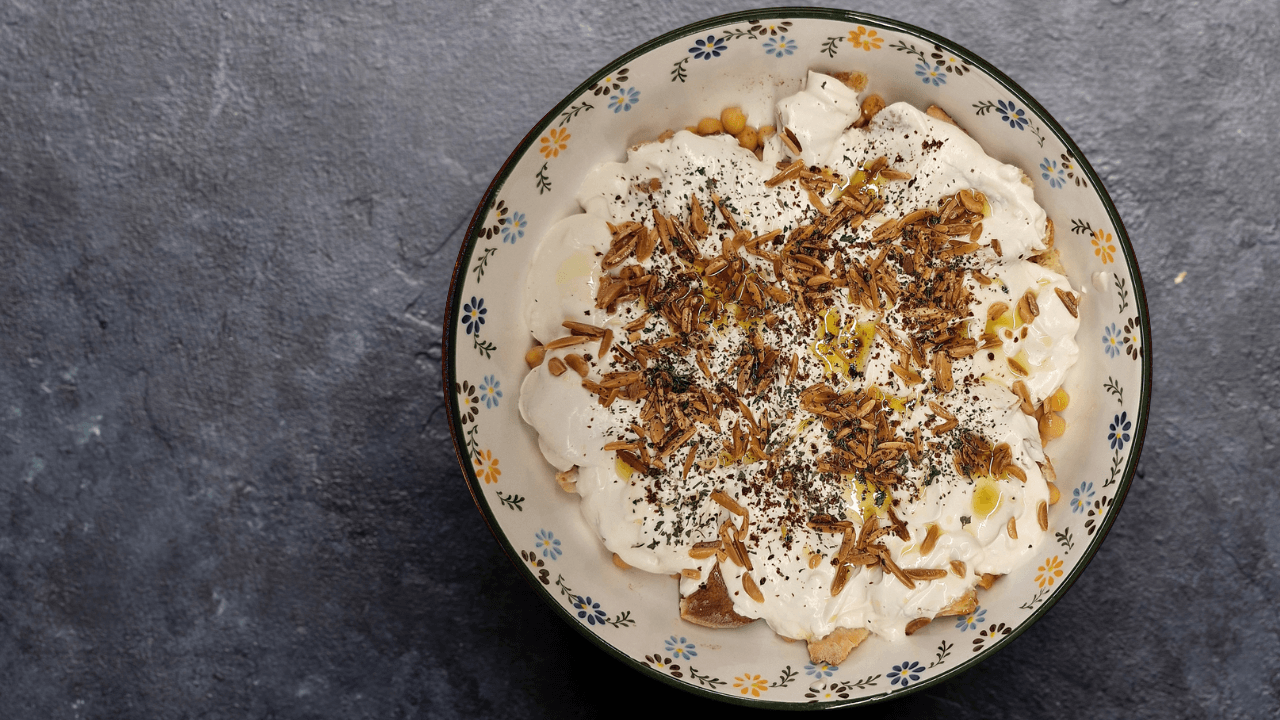
    Fatteh is a comforting Levantine dish built around layers of toasted or crisp bread, chickpeas and a creamy yogurt-based sauce, often flavored with tahini, garlic and lemon. Finished with nuts and other toppings depending on the version, it combines warm, soft and crunchy textures in a dish that is especially popular for breakfast and brunch but can be eaten at other times of day as well.

    What is Fatteh?

    Fatteh is assembled in layers rather than cooked as a single mixture. Pieces of bread form the base, chickpeas are added while warm, and a cool, tangy yogurt sauce is spooned over the top. Nuts and other garnishes are usually added just before serving so they keep their texture.

    The contrast between temperatures and textures is central to the dish: crisp or toasted bread softens slightly beneath the sauce, chickpeas add substance, and the yogurt mixture brings creaminess and acidity. Fatteh is best served soon after assembling, before the bread loses all of its crunch.

    Fatteh in Lebanon and the Levant

    Fatteh is closely associated with Lebanese food culture, but it is not uniquely Lebanese. Related versions are eaten across the Levant, including in Syria, Palestine and Jordan, with preparation and toppings varying from one place—and sometimes one household—to another. The shared name refers to a broader family of dishes rather than one rigidly standardized recipe.

    In Lebanon, Fatteh is particularly familiar at breakfast and brunch, both at home and in restaurants, although it is not confined to the morning. It can be served as part of a larger spread or eaten as a substantial dish on its own, and different versions may appear depending on the occasion and the cook.

    Different types of Fatteh

    There is no single definitive version of Fatteh. Chickpeas are common, but other versions may include eggplant, meat or different combinations of toppings and sauces. The bread itself can also vary in how it is prepared, from toasted pieces to bread fried until crisp.

    What connects these variations is the basic idea of layering bread with other ingredients and serving the components together so that contrasting textures remain part of the experience. This flexibility is one reason the name Fatteh can describe noticeably different dishes across the region.

    What does Fatteh taste like?

    Fatteh is creamy, tangy and savory, with the yogurt, tahini, garlic and lemon providing most of the dish’s flavor. Chickpeas are mild and earthy, while toasted or fried bread adds a deeper, slightly nutty character beneath the sauce.

    Texture is just as important as taste. The best bowls balance creamy sauce and tender chickpeas with bread that still retains some crispness, while nuts on top add another layer of crunch. Because the bread gradually absorbs the sauce after assembly, Fatteh changes noticeably the longer it sits.

    Where does Fatteh come from?

    Fatteh does not have a single clearly documented point of origin. The name is commonly linked to the Arabic root fatt, referring to breaking or tearing bread into pieces—a technique at the heart of the dish. Using bread in this way also made it possible to revive older bread and stretch other ingredients into a more substantial meal.

    That practical idea developed into many different preparations across the Arab world. In the Levant, bread might be combined with chickpeas, eggplant, meat or other ingredients and finished with yogurt, tahini or lemon-based sauces. What began as an economical way of building a meal has also become a dish served at family gatherings, restaurants and more elaborate occasions.

    Make Fatteh at home

    Ready to make it yourself? Follow the full Fatteh recipe with ingredients, step-by-step instructions and video.
  • Muhammara

    Muhammara

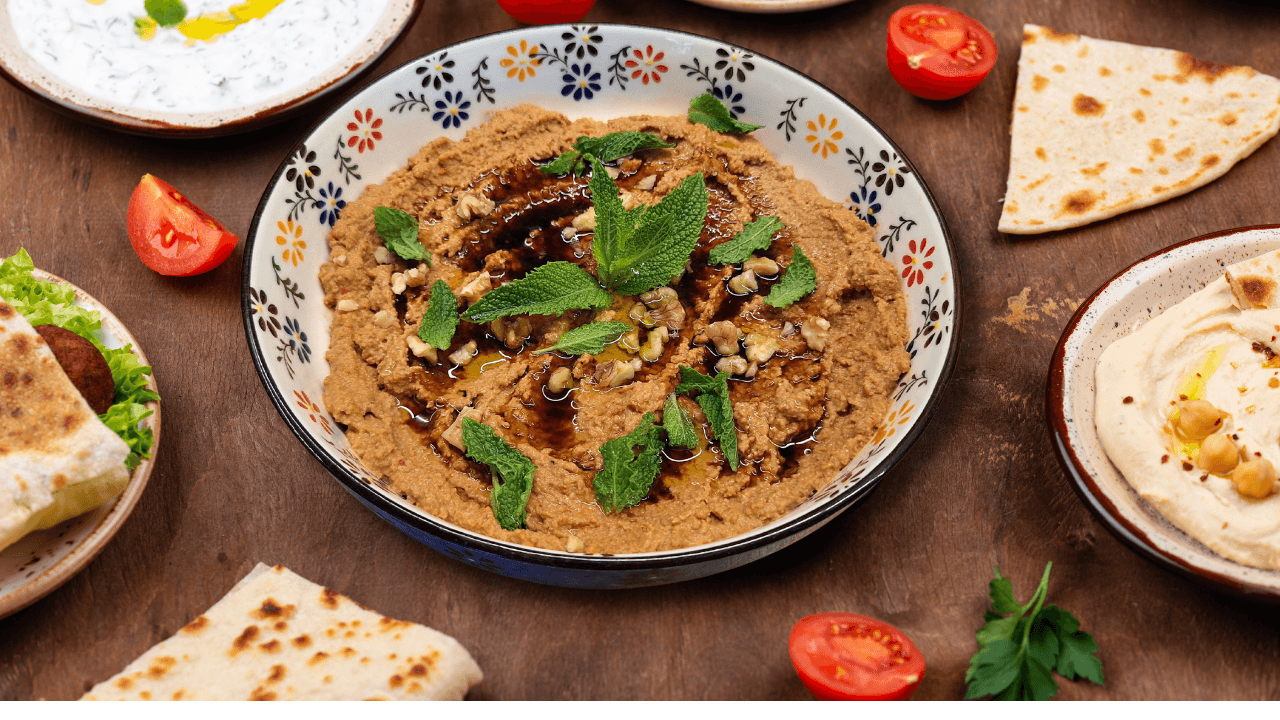
    Muhammara is a Levantine red pepper and walnut spread known for its deep, savory-sweet flavor and rich, slightly textured consistency. Roasted peppers, walnuts and breadcrumbs form the base, while pomegranate molasses adds tangy sweetness and Aleppo pepper brings gentle heat and complexity.

    What is Muhammara?

    Muhammara is made by blending roasted red peppers with walnuts, breadcrumbs and seasonings until the mixture becomes thick enough to spread or scoop. Pomegranate molasses contributes acidity and sweetness, while olive oil helps bring the ingredients together into a rich, cohesive texture.
    Unlike a completely smooth dip, Muhammara often retains some texture from the walnuts and breadcrumbs. It can be served as part of a mezze spread, spooned alongside bread or vegetables, or used as a condiment with other dishes.

    Muhammara in Syrian and Levantine food culture

    Muhammara is especially associated with Aleppo in northern Syria, a city known for its deeply flavored, pepper-forward cooking. From there, the spread became familiar across the wider Levant and is now commonly encountered in Syrian, Lebanese and other eastern Mediterranean food traditions.

    It is usually served as part of a mezze spread, alongside bread and other small dishes, but its bold flavor also makes it useful beyond mezze. Muhammara can accompany grilled vegetables or meats, or be used as a condiment where its combination of sweetness, acidity, nuttiness, and gentle heat can stand out.

    What does Muhammara taste like?

    Muhammara is savory, nutty and slightly sweet, with a gentle tang from pomegranate molasses and a mild warmth from pepper and spices. Roasted red peppers give the spread its sweetness and depth, while walnuts add richness and a faint bitterness that keeps the flavor from becoming too sweet.

    Its texture is usually thicker and more substantial than a smooth purée. Finely ground walnuts and breadcrumbs give Muhammara body, while olive oil softens the mixture and helps create a spreadable consistency. Depending on how finely it is blended, it can range from fairly smooth to pleasantly coarse.

    How Muhammara varies

    Muhammara does not have one rigid formula. The balance of peppers, walnuts, breadcrumbs and pomegranate molasses can vary considerably from one cook to another. Some versions are sweeter or more acidic, some emphasize chili heat, and the finished texture can range from relatively smooth to coarse and chunky.

    The supporting ingredients vary too. Recipes may use fresh roasted peppers or pepper-based pastes, while additions such as lemon juice, cumin or tahini appear in some versions but not others. What remains consistent is the combination of red pepper, walnuts and a sweet-tart element that gives Muhammara its distinctive character.

    Where does Muhammara come from?

    Muhammara is most closely associated with Aleppo in northern Syria, where red pepper pastes and Aleppo pepper are central to the local flavor profile. The spread is widely regarded as Syrian in origin, although there is no single well-documented moment or inventor that can be credited with creating the dish.

    The name Muhammara is commonly translated as “reddened” or “crimsoned,” a reference to the deep red color of the pepper-based mixture. Traditional versions were often made with concentrated or sun-dried Aleppo peppers, while many modern recipes use roasted red peppers to create a similar rich, sweet-pepper base.

    Make Muhammara at home

    Ready to make it yourself? Follow the full Muhammara recipe with ingredients, step-by-step instructions, recipe notes and video.

  • Musakhan

    Musakhan

    Musakhan is a traditional Palestinian dish of roasted chicken served over taboon bread soaked with olive oil and topped with onions cooked with sumac. Rich, tangy and deeply savory, it is often finished with toasted pine nuts and is known for the way the bread absorbs the juices, olive oil and spices from the chicken and onions.

    What is Musakhan?

    Musakhan is built by layering several simple components rather than cooking everything together in one pot. Taboon bread forms the base, followed by onions softened in generous amounts of olive oil and seasoned heavily with sumac, then roasted chicken placed on top.

    As the dish is assembled, the bread absorbs the olive oil, onion juices and chicken drippings, becoming soft and richly flavored while still retaining some structure. The contrast between the tangy onions, savory chicken and oil-soaked bread is central to the dish.

    Musakhan in Palestinian food culture

    Musakhan is closely associated with Palestinian home cooking and communal meals, especially when prepared for family gatherings and shared directly from large platters. Its ingredients reflect some of the most characteristic flavors of Palestinian cooking: olive oil, sumac, bread, onions and roasted chicken.

    The dish is particularly tied to the olive harvest season, when freshly pressed olive oil is traditionally celebrated in Palestinian households. Because olive oil is such a central ingredient in Musakhan, the dish is often seen as an expression of both Palestinian agriculture and hospitality.

    What does Musakhan taste like?

    Musakhan is rich and savory, with a pronounced tanginess from sumac cutting through the olive oil and roasted chicken. The onions become soft and sweet as they cook, balancing the sumac’s tart, slightly fruity character.

    The bread is just as important to the experience as the chicken. It absorbs olive oil, onion juices and roasting drippings, giving each bite a soft, deeply seasoned base, while toasted pine nuts add a contrasting crunch when used as a garnish.

    Where does Musakhan come from?

    The bread is just as important to the experience as the chicken. It absorbs olive oil, onion juices and roasting drippings, giving each bite a soft, deeply seasoned base, while toasted pine nuts add a contrasting crunch when used as a garnish.

    The bread is just as important to the experience as the chicken. It absorbs olive oil, onion juices and roasting drippings, giving each bite a soft, deeply seasoned base, while toasted pine nuts add a contrasting crunch when used as a garnish.

    How Musakhan varies

    Traditional Musakhan is usually served as whole pieces of chicken arranged over large rounds of bread with sumac onions and olive oil. The exact balance of sumac, onion and oil can vary from one household to another, and toppings such as pine nuts or almonds may also differ.

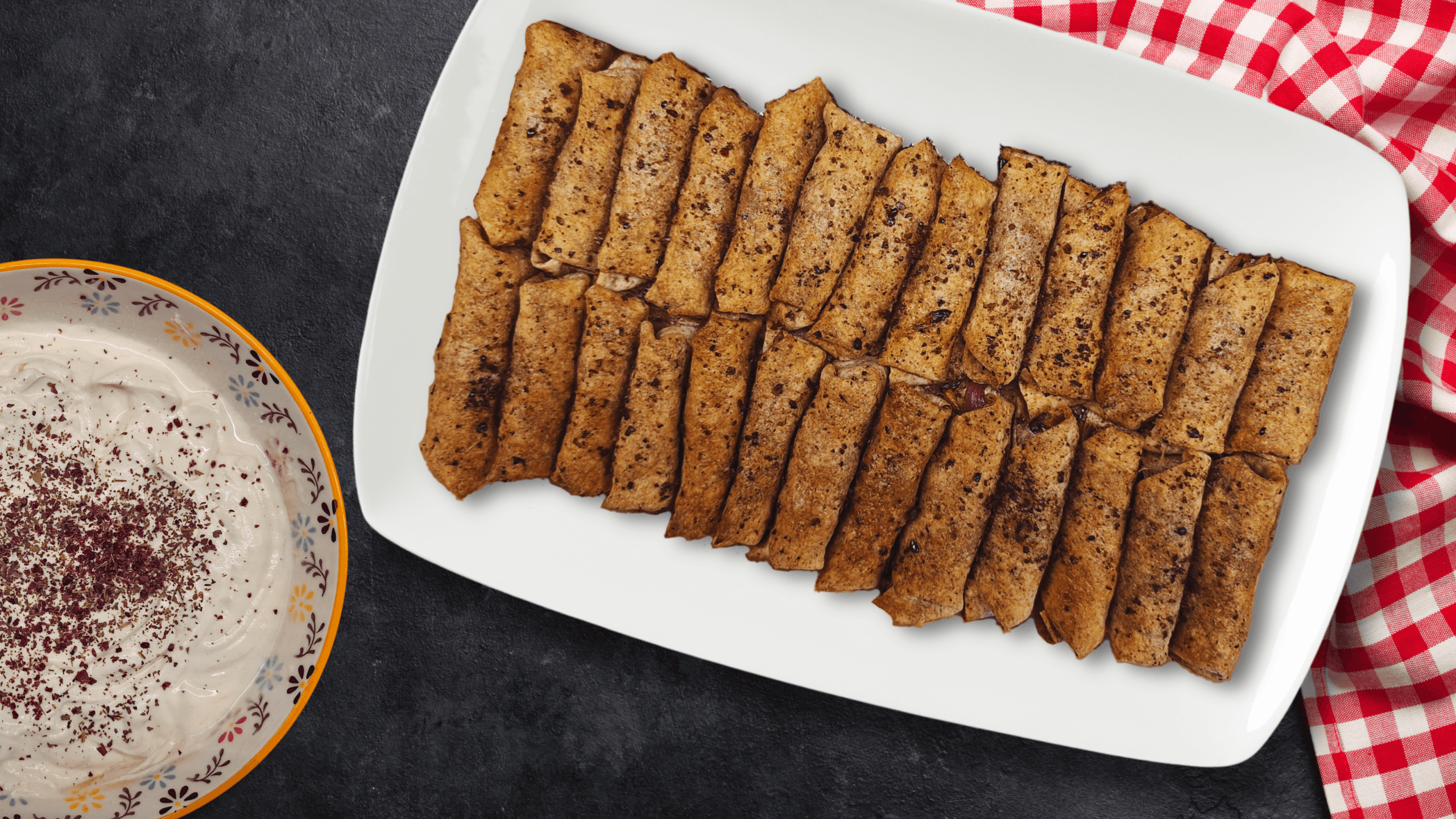
    A more modern variation is Musakhan rolls, in which the chicken and onion mixture is wrapped inside smaller pieces of flatbread and baked or toasted. The flavors are similar, but the rolled version is easier to serve as an appetizer or individual portion and should be considered a variation rather than the classic presentation.

    Make Musakhan at home

    Ready to make it yourself? Follow the full Musakhan recipe with ingredients, step-by-step instructions, recipe notes and video.

  • Muhammara

    This Muhammara recipe combines roasted red peppers, walnuts, breadcrumbs, tahini and pomegranate molasses into a rich, savory-sweet spread with gentle heat and a slightly textured finish. It comes together quickly when made with jarred roasted peppers, while fresh peppers can be roasted at home for a deeper, smokier flavor.

    Watch how to make Muhammara

    Ingredients

    For the Muhammara

    • 1 jar roasted red peppers, 300 g (10.5 oz), drained or 2 large / 3 medium fresh red bell peppers
    • 80 g (2.8 oz / about 3/4 cup) walnuts
    • 25 g (1 oz / about 1/4 cup) breadcrumbs
    • 1 large garlic clove, chopped
    • 2 tbsp (30 ml) extra virgin olive oil, plus more for drizzling
    • 1 1/2 tbsp (22 ml) pomegranate molasses, plus more for serving
    • 3 tbsp (45 ml) tahini
    • 1/2 tsp Aleppo pepper or 1/2 tsp paprika + 1/4 tsp cayenne
    • 1/2 tsp ground cumin
    • Salt, to taste
    • Water, as needed

    For serving

    • 1–2 walnuts, reserved and chopped
    • A small handful of fresh mint leaves, chopped or torn (optional)
    • Extra olive oil, for drizzling
    • Extra pomegranate molasses, for drizzling

    Instructions

    Prepare the peppers

    Drain the roasted peppers well, but do not rinse them, as this can dilute their flavor. Pat them dry with a clean kitchen towel to remove as much excess moisture as possible, then tear them into smaller pieces.

    Toast the walnuts and breadcrumbs

    Set aside 1 or 2 walnuts for garnish, then finely chop the remaining walnuts.

    Place a large frying pan over medium heat. Once hot, add the walnuts and toast for about 3 minutes, stirring occasionally, until fragrant.

    Add the breadcrumbs and continue toasting for another 3 minutes, stirring often, until the walnuts smell nutty and the breadcrumbs are golden. Remove from the heat.

    Blend the base

    Add the toasted walnut and breadcrumb mixture to a food processor along with the chopped garlic. Blend until you have fine crumbs.

    Finish the Muhammara

    Add the roasted peppers, extra virgin olive oil, pomegranate molasses, tahini, Aleppo pepper, cumin and salt. Pulse until the mixture comes together.

    If it feels too thick, add a small splash of water. Blend until completely smooth, or leave it slightly textured if you prefer. Taste and adjust with a little more pomegranate molasses or salt if needed.

    Serve

    Spoon the Muhammara onto a serving plate and use the back of a spoon to create some texture on the surface. Drizzle with olive oil and a little extra pomegranate molasses.

    Scatter over the reserved chopped walnuts and fresh mint, if using. Serve at room temperature.

    Recipe notes

    If using fresh red bell peppers

    Place an oven rack in the upper third of the oven and preheat to 230°C / 450°F. Line a baking tray or sheet pan with parchment paper.

    Cut 2 large or 3 medium red bell peppers in half lengthwise. Remove the seeds, membranes and stems, then arrange them cut-side down on the prepared tray.

    Roast for 12 to 15 minutes, rotate the tray, then roast for another 10 to 15 minutes, or until the skins are well charred and the peppers have softened.

    Transfer the peppers to a large bowl and cover tightly with plastic wrap, or place them in a covered container. Let them steam for about 10 minutes.

    Once cool enough to handle, peel off the skins and slice the peppers into strips. Continue with the main recipe as written.

    Learn more about Muhammara

    Want to know more about the dish itself? Explore the origins, variations and food culture behind Muhammara.

  • Musakhan Rolls

    Musakhan Rolls

    These Musakhan rolls wrap the flavors of the classic Palestinian dish into crisp, individual portions filled with shredded chicken, slow-cooked red onions, olive oil and plenty of sumac. Saj bread is the traditional choice for this style, but flour tortillas make a practical substitute, and the finished rolls are served hot with a creamy yogurt-tahini sauce.

    Watch how to make Musakhan Rolls

    Ingredients

    For the chicken

    • 1.5 kg (about 3.3 lb) chicken legs
    • Hot water, enough to cover the chicken
    • 1 cinnamon stick
    • 1 medium onion, roughly chopped, about 150 g (5 oz)
    • 4 cardamom pods
    • 2 bay leaves

    For the filling

    • 750 g (about 1.65 lb) red onions, thinly sliced
    • 180 ml (3/4 cup) olive oil
    • Cooked shredded chicken, from above
    • 4 tbsp sumac, plus more for finishing
    • 1 tbsp salt, about 18 g, or to taste
    • 1/2 tsp black pepper
    • 1 tsp Middle Eastern 7-spice blend

    For the yogurt-tahini sauce

    • 10 large flour tortillas, cut into 4 wedges (or 8 wedges if extra-large), or saj bread as needed
    • Extra oil from the chicken and onion filling, for brushing
    • Extra sumac, for sprinkling
    • Fresh parsley, chopped, for garnish

    For assembling

    • 480 g (2 cups) Greek Yogurt
    • 45 g (3 tbsp) tahini
    • 30 ml
    • (2 tbsp) fresh lemon juice
    • 2 garlic cloves, minced or grated
    • Salt, to taste
    • Sumac, for garnish

    Instructions

    Cook the chicken

    Place the chicken legs in a large pot and cover them with hot water. Add the cinnamon stick, roughly chopped onion, cardamom pods and bay leaves.

    Bring to a boil, then reduce the heat and skim off any foam that rises to the surface. Simmer for about 40 to 45 minutes, or until the chicken is very tender and easy to shred.

    Remove the chicken from the pot and set it aside until cool enough to handle. Strain and reserve the stock for another recipe if you like.

    Cook the onions

    While the chicken is cooking, add the sliced red onions and olive oil to large pan over medium heat.

    Cook slowly, stirring occasionally, for about 25 to 35 minutes, until the onions are soft, sweet and deeply softened. They do not need to become dark brown, but they should be tender and lightly caramelized.

    Make the filling

    Remove the skin and bones from the cooked chicken, then shred the meat using your hands or two forks.

    Add the shredded chicken to the pan with the onions and olive oil. Season with the sumac, salt, black pepper and 7-spice blend. Stir until the chicken is evenly coated with the onions, oil and spices.

    Taste and adjust the seasoning if needed. The filling should be savory, tangy from the sumac and rich from the olive oil. Remove from the heat and let it cool slightly before assembling the rolls.

    Assemble the rolls

    Preheat the oven to 180°C / 350°F and lightly oil a baking tray to prevent sticking.

    If using saj bread, cut it into pieces large enough to roll. If using flour tortillas, cut each tortilla into 4 wedges; if the tortillas are extra-large, cut each into 8 wedges.

    Place each roll seam-side down on the prepared baking tray so it does not open during baking.

    Bake the rolls

    Brush the tops of the rolls with some of the flavorful oil from the chicken and onion filling, then sprinkle with extra sumac.

    Bake for about 15 to 25 minutes, or until the rolls are golden and crisp. The exact baking time will depend on the type and thickness of the bread.

    Make the yogurt-tahini sauce

    While the rolls are baking, combine the Greek yogurt, tahini, lemon juice, garlic and salt in a bowl and mix until smooth. Taste and adjust with more lemon juice, salt or garlic if needed, then sprinkle a little sumac on top.

    Serve

    Remove the Musakhan rolls from the oven, garnish with chopped parsley and serve hot with the yogurt-tahini sauce on the side.

    Recipe notes

    Saj bread or flour tortillas

    Saj bread is the better option if you can find it, but flour tortillas work well as an accessible substitute. Adjust the size of the pieces as needed so the rolls are easy to fill and fold.

    Don’t skimp on the olive oil

    Olive oil is a major part of the flavor of Musakhan, so this is not a recipe where you want to reduce it too much. It helps flavor both the onions and the bread.

    If the filling seems very oily

    Use some of the excess flavored oil from the chicken and onion mixture to brush the rolls before baking, and leave the rest behind rather than adding all of it to the rolls.

    Other cuts of chicken

    Chicken breasts or boneless chicken thighs can be used instead of chicken legs. Adjust the cooking time as needed and cook the chicken only until tender enough to shred.

    Learn more about Musakhan

    Want to know more about the dish itself? Explore the origins, food culture, and story behind Musakhan.

  • Lebanese Mujadara

    Lebanese Mujadara

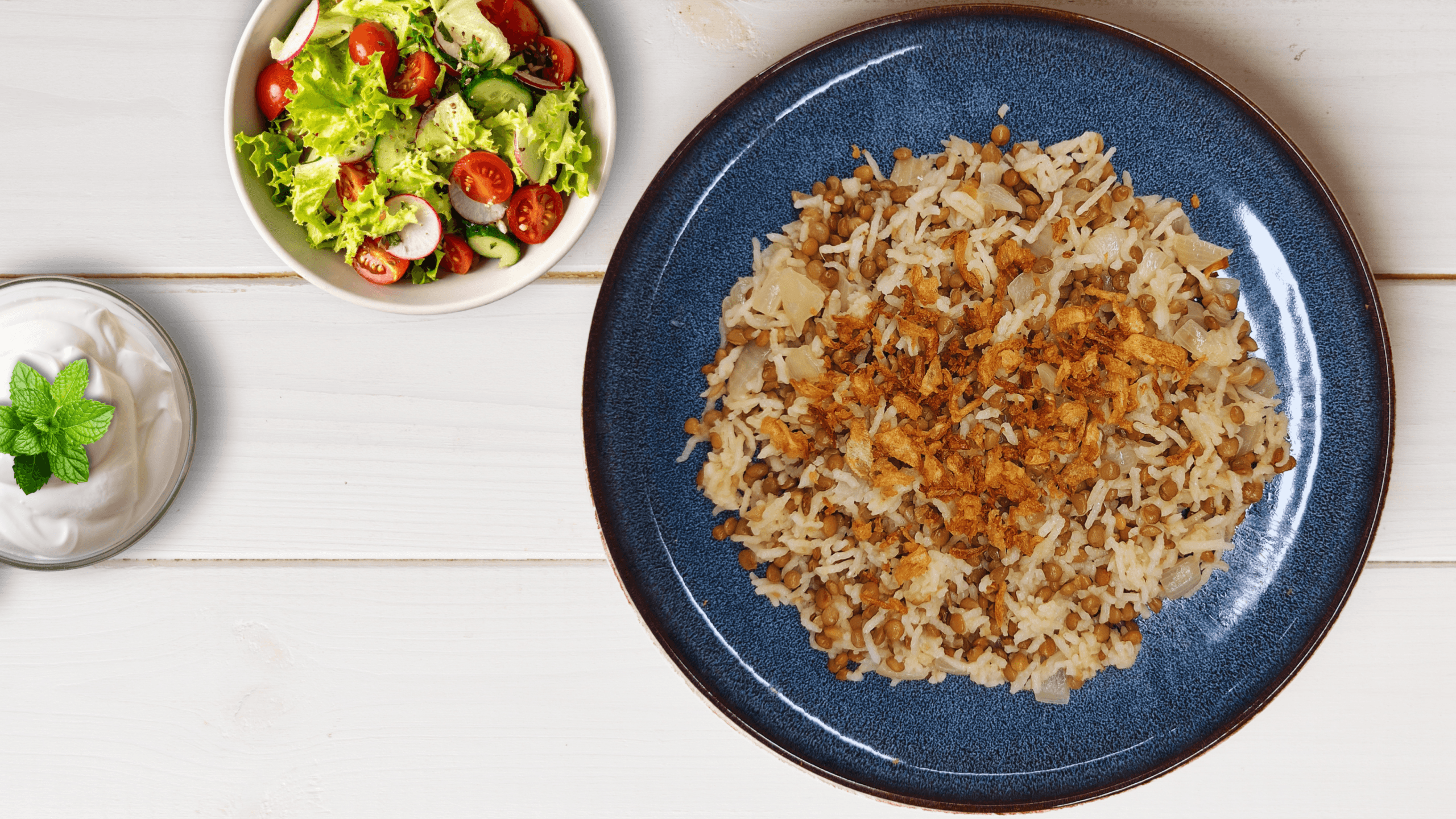
    This Lebanese Mujadara recipe combines lentils, basmati rice and onions into a simple, comforting dish finished with plenty of crispy fried onions. The lentils are partially cooked first, then simmered with the rice until tender, while cumin and olive oil add warmth and richness.

    Ingredients

    For the Mujadara

    • 1 cup dried brown or green lentils, about 200 g (7 oz)
    • 1 cup basmati rice, about 185 g (6 1/2 oz)
    • 1 medium onion, diced, about 150 g (5 oz)
    • 1 vegetable bouillon cube
    • 1/2 tsp ground cumin
    • Olive oil, as needed
    • Salt, to taste
    • 2 cups (480 ml / 16 fl oz) boiling water
    • Additional water, for soaking the rice and cooking the lentils

    For serving

    • Crispy fried onions, for topping
    • Plant-based yogurt for a vegan meal, or Greek yogurt if preferred
    • Green salad

    Instructions

    Prepare the rice and lentils

    Rinse the rice several times until the water runs mostly clear. Soak it in lightly salted water while you prepare the lentils.

    Rinse the lentils and place them in a pot. Cover generously with hot water and add the cumin. Bring to a boil, then reduce the heat, cover and simmer gently.

    Begin checking the lentils after about 15 minutes. They should be nearly cooked but still slightly firm, since they will continue cooking with the rice.

    Cook the onion base

    Drain the lentils and the soaked rice separately and set them aside.

    Heat some olive oil in a pot over medium heat. Add the diced onion and cook until translucent and beginning to turn golden.

    Crumble the vegetable bouillon cube over the onions and stir until evenly distributed. It will dissolve completely once the water is added.

    Cook the Mujadara

    Add the drained rice and lentils to the pot and stir gently until everything is well combined and coated with the onion mixture.

    Pour in 2 cups (480 ml / 16 fl oz) of boiling water. Taste the liquid and add salt only if needed, since the bouillon cube may already provide enough seasoning.

    Bring to a gentle simmer, cover the pot and reduce the heat to low. Do not stir the Mujadara while it cooks.

    Cook for about 15 to 20 minutes, or until the water has been absorbed and the rice is tender.

    Rest and serve

    Remove the pot from the heat and leave it covered for 5 to 10 minutes. Gently fluff the Mujadara with a fork.

    Transfer to a serving dish, top generously with crispy fried onions, and serve with plant-based yogurt or Greek yogurt and a green salad.

    Recipe notes

    Lentil doneness

    Do not fully cook the lentils during the first stage. They should still have a little firmness so they can finish cooking with the rice without becoming mushy.

    Do not stir while cooking

    Once the rice, lentils and boiling water are combined, avoid stirring the pot while it cooks. This helps the rice cook evenly and keeps the texture from becoming too sticky.

    Serving suggestions

    Mujadara is commonly served with yogurt and a fresh green salad. Use plant-based yogurt if you want to keep the meal completely vegan.

    Learn more about Mujadara

    Want to know more about the dish itself? Explore the history, food culture, regional variations and story behind Mujadara.

  • Fatteh

    Fatteh

    This Lebanese Fatteh recipe layers crisp pita bread and chickpeas with a creamy yogurt, tahini, garlic and lemon sauce, then finishes the dish with golden almonds, dried mint and sumac. The contrast between warm chickpeas, crunchy bread and cool, tangy yogurt is what makes the dish so satisfying.

    Plan ahead: the dried chickpeas need to soak for at least 8 hours before cooking.

    Watch how to make Fatteh

    Ingredients

    For the yogurt sauce

    • 500 g (17.6 oz) Greek yogurt
    • 3 tbsp tahini
    • 3 tbsp lemon juice
    • 2 cloves garlic, minced
    • Salt, to taste

    For the chickpeas and pita

    • 2 medium pita breads
    • Olive oil, for brushing
    • 3/4 cup dried chickpeas
    • 1/2 tsp cumin
    • Salt, to taste

    For the topping

    • 3 tbsp slivered almonds
    • 2 tbsp olive oil
    • 1/2 tsp dried mint
    • 1/2 tsp sumac

    Instructions

    Make ahead

    Soak the chickpeas overnight for at least 8 hours. Drain, then boil them in fresh water until tender. Drain and set aside, reserving a little of the chickpea cooking water.

    Toast the pita

    Preheat the oven and brush the pita breads lightly with olive oil. Bake until crisp and golden, then remove from the oven and allow them to cool slightly.

    Make the yogurt sauce

    In a bowl, combine the Greek yogurt, tahini, lemon juice, minced garlic and salt. Mix until smooth and well combined.

    Prepare the chickpeas and bread

    Break the toasted pita into small pieces and place them in a bowl. Add the cooked chickpeas and a little of the reserved chickpea cooking water. Season with salt and cumin, then mix gently.

    Assemble the Fatteh

    Spread the chickpea and pita mixture over the bottom of a serving dish or shallow platter. Spoon the yogurt mixture evenly over the top.

    Finish with almonds and spices

    Heat the 2 tablespoons of olive oil in a small pan. Add the slivered almonds and fry until golden. Drizzle the almonds and their oil over the Fatteh.

    Finish with the dried mint and sumac, then serve immediately while the bread still retains some crispness.

    Learn more about Fatteh

    Want to know more about the dish itself? Explore the variations, origins and food culture behind Fatteh.