Egypt

  • Hawawshi

    Hawawshi

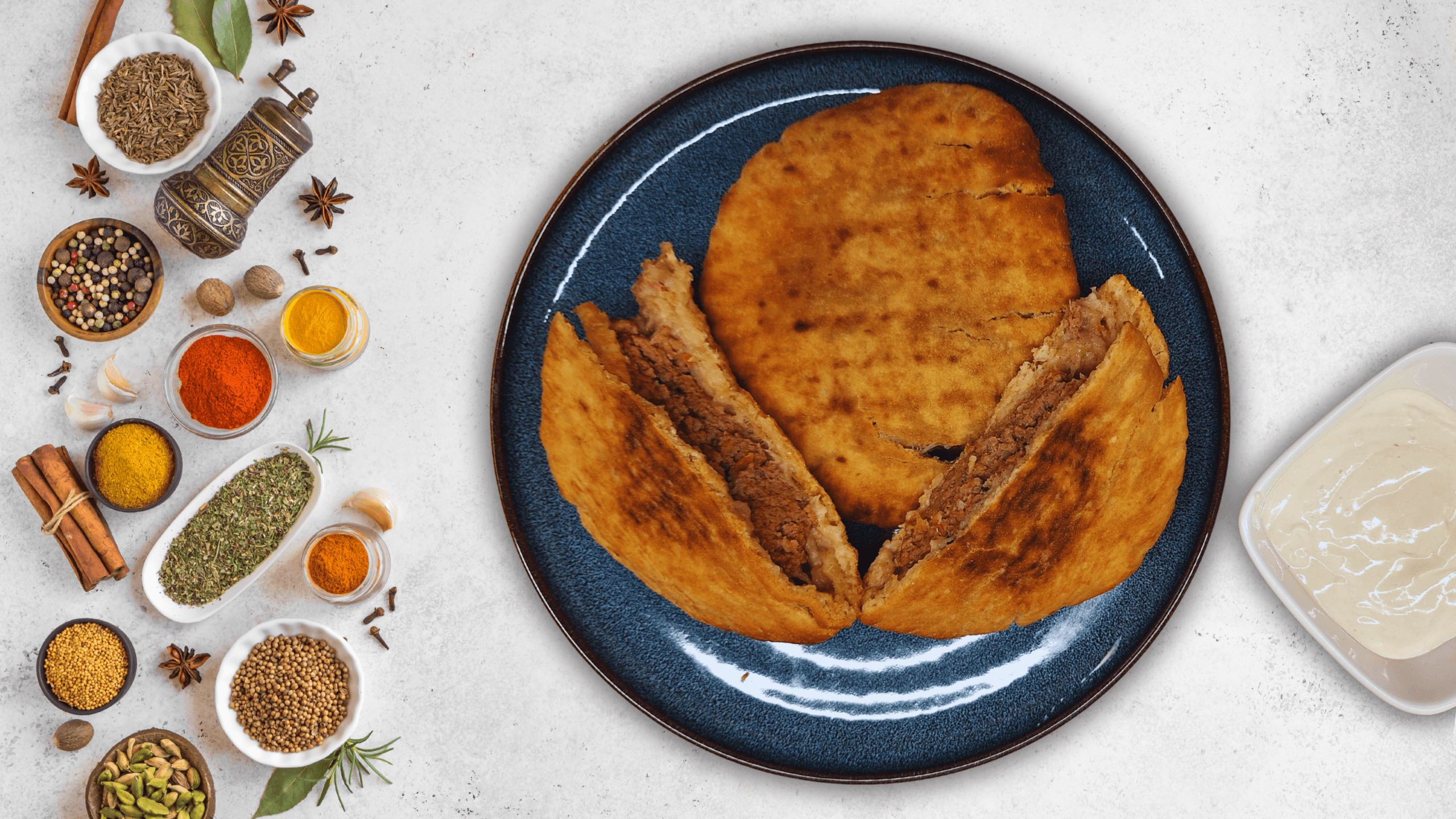
    Hawawshi is an Egyptian stuffed bread filled with a seasoned mixture of minced meat, onion, peppers, herbs and spices, then baked until the bread is crisp and the filling is cooked through. Rich, savory and deeply aromatic, it is closely associated with casual eating and street food in Egypt.

    What is Hawawshi?

    Hawawshi is made by packing a seasoned minced-meat mixture inside Egyptian bread before baking it until the exterior becomes crisp and the filling cooks in its own juices. The bread absorbs some of the rendered fat and spices, which gives the inside a rich, savory flavor while the outside develops a toasted crust.

    It is usually eaten hot and can be served on its own or with simple accompaniments such as pickles, tahini sauce or salad. Because the filling is enclosed inside the bread, Hawawshi is easy to portion and eat by hand, which helps explain its popularity as a casual meal and street-food favorite.

    Hawawshi in Egyptian food culture

    Hawawshi is closely associated with everyday eating in Egypt, where it is sold by street-food vendors, bakeries and casual restaurants as well as prepared at home. Its combination of bread and seasoned meat makes it filling, portable and easy to eat without cutlery, which helps explain its popularity as a quick meal.

    Although the basic idea is simple, Hawawshi varies from one cook and region to another. The seasoning can change, the meat may be mixed with different vegetables or herbs, and the bread can range from soft and juicy inside to deeply crisp on the outside depending on how it is baked.

    What does Hawashi taste like?

    Hawawshi is deeply savory and aromatic, with the flavor of the meat shaped by onion, peppers, herbs and warm spices. As it bakes, the seasoned juices soak into the inner surface of the bread, giving it richness while the exterior becomes toasted and crisp.

    Texture is a major part of the appeal. A good Hawawshi combines a juicy, tender filling with bread that is crisp around the edges but softer where it meets the meat. Pickles, salad or tahini sauce can add acidity and freshness alongside the richness of the sandwich.

    Where does Hawawshi come from?

    Hawawshi is distinctly Egyptian, but its precise origin is difficult to pin down. A popular story attributes the dish to a Cairo butcher whose surname was El-Hawawshi, although accounts disagree about his first name and exactly when he began serving meat stuffed inside baladi bread.

    Many retellings place Hawawshi’s creation in the 1970s, while other accounts suggest it may have appeared several decades earlier. With the historical details uncertain, the butcher story is best treated as part of the dish’s popular history rather than a completely settled origin. What is clear is that Hawawshi went on to become widely eaten across Egypt and strongly associated with Egyptian casual food and street-food culture.

    Make Hawawshi at home

    Ready to make it yourself? Follow the full Hawawshi recipe with ingredients, step-by-step instructions, recipe notes and video.
  • Ful Medames

    Ful Medames

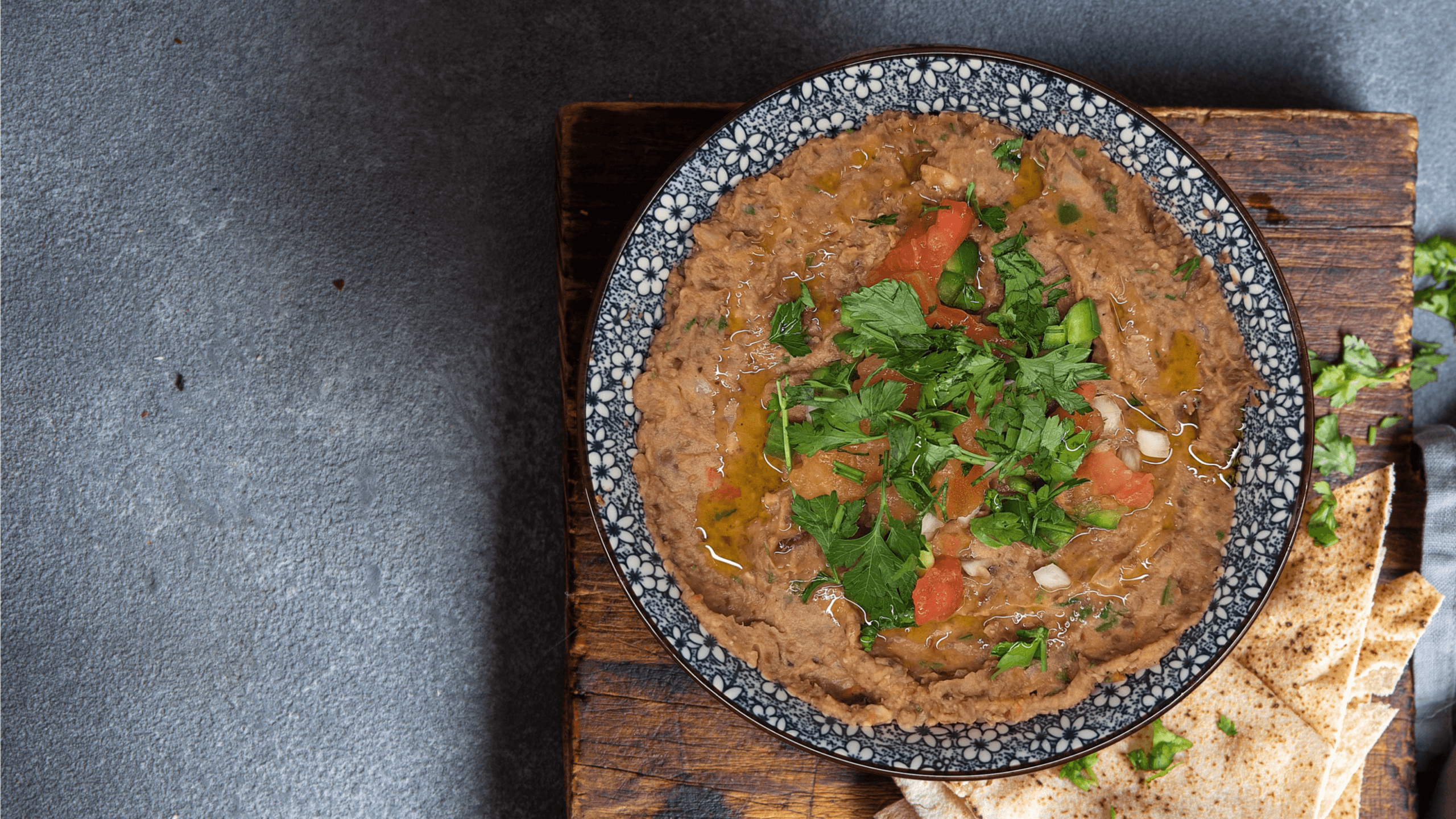
    Ful Medames is one of Egypt’s most familiar everyday foods: slow-cooked fava beans seasoned simply and served with additions such as olive oil, lemon juice, cumin and fresh vegetables. Filling, inexpensive and deeply associated with breakfast, it is eaten at home, from street stalls and in casual restaurants across the country.

    What is ful Medames?

    Ful Medames is made from fava beans cooked until very tender, then seasoned and served in a way that can range from very simple to highly customized. The beans may be left mostly whole, lightly mashed or mixed until creamier, depending on the style and the person preparing them.

    Rather than being defined by one rigid recipe, Ful Medames is best understood as a base dish that is finished to taste. Common additions include cumin, lemon juice, olive oil, garlic, chili, and chopped vegetables, giving the same pot of beans many possible variations.

    Ful Medames in Egyptian food culture

    Ful medames is a staple of Egyptian breakfast culture and is eaten across social and regional lines. It’s just as familiar from home-cooked meals as it is from neighborhood ful shops and street vendors, where customers can choose different seasonings and toppings to suit their taste.

    It also has an important place during Ramadan, when ful is commonly eaten at suhoor because it is filling and substantial without requiring an elaborate meal. Its affordability, versatility, and reliance on a simple staple ingredient have helped make it one of the foods most closely associated with everyday eating in Egypt.

    What does Ful Medames taste like

    Ful Medames has a mild, earthy flavor from the fava beans themselves, which makes it especially responsive to seasoning. Lemon juice adds brightness, cumin brings warmth, and olive oil gives the dish richness and a smoother mouthfeel.

    The texture can vary from chunky and rustic to soft and almost creamy, depending on how much the beans are mashed. Fresh toppings such as tomato, onion, parsley or chili can add acidity, crunch and heat, while tahini or additional olive oil can make the dish richer.

    How Ful Medames varies

    Ful Medames is prepared in many different ways across Egypt, with cooks adjusting the seasoning, texture, and toppings to suit local tastes. Some versions are kept very simple with oil, lemon, and cumin, while others include tahini, garlic, chili, eggs, or other additions.

    Alexandrian-style Ful, often called Ful Iskandarani, is known for a brighter, more heavily seasoned preparation that can include chopped tomato, onion, green peppers, or chili alongside the beans. That regional style is the basis for the Alexandrian ful Medames recipe featured on this site.

    Where does Ful Medames come from?

    Ful Medames has a long history in Egypt, where fava beans have been eaten for centuries and the dish has become deeply embedded in everyday food culture. Although it is often linked to ancient Egypt, the precise history of the modern preparation is difficult to trace continuously across such a long period.

    What is clear is that Ful Medames has been established as an Egyptian staple for generations and has also spread widely across the Middle East and North Africa, where local versions developed with different seasonings, toppings, and serving styles.

    Make Ful Medames at home

    Ready to make it yourself? Follow the full Alexandrian Ful Medames recipe with ingredients, step-by-step instructions, recipe notes, and video.

  • Egyptian Fattah

    Egyptian Fattah

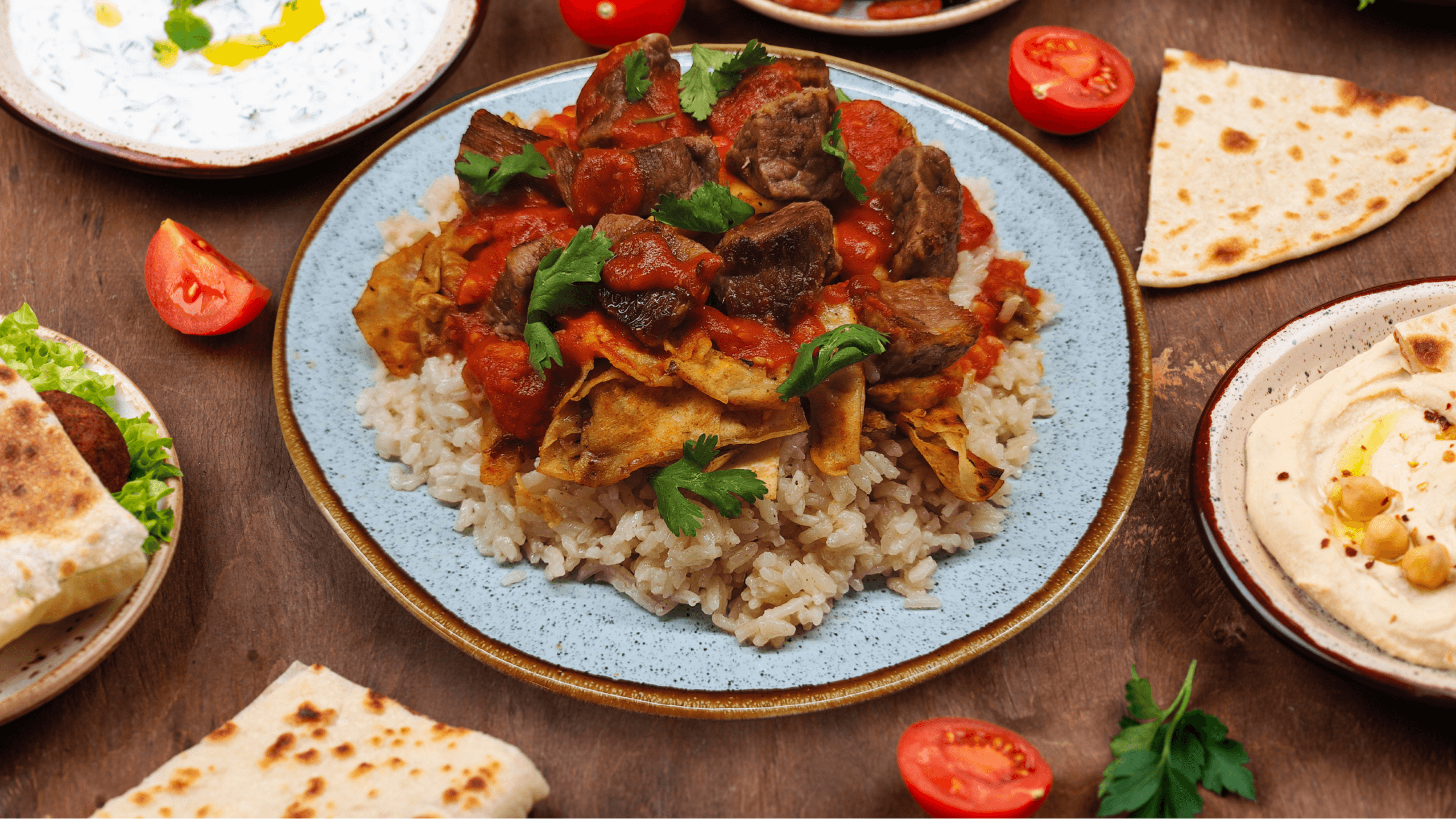
    Egyptian Fattah is a celebratory dish built from layers of crisp bread, rice, meat and a garlicky vinegar sauce, often finished with tomato sauce. Rich, tangy and deeply comforting, it is especially associated with major family gatherings and festive occasions in Egypt.

    What is Egyptian Fattah

    Egyptian Fattah is a layered dish traditionally made with crisp pieces of bread, rice and cooked meat, brought together with a sharp garlic-and-vinegar sauce. Tomato sauce is also commonly added, giving the dish extra richness and acidity. The contrast between crunchy bread, tender rice, savory meat and tangy sauce is what gives Egyptian Fattah its distinctive character.

    Egyptian Fattah is a layered dish traditionally made with crisp pieces of bread, rice and cooked meat, brought together with a sharp garlic-and-vinegar sauce. Tomato sauce is also commonly added, giving the dish extra richness and acidity. The contrast between crunchy bread, tender rice, savory meat and tangy sauce is what gives Egyptian Fattah its distinctive character.

    Egyptian Fattah in food culture

    In Egypt, Fattah is strongly associated with celebrations, family gatherings and special occasions. It is particularly well known as a festive dish served during Eid al-Adha, when meat is commonly shared among family and guests.

    Its generous layers and bold flavors make it a natural centerpiece for a large meal. Because recipes are often passed down through families, the balance of bread, rice, sauce and meat can vary considerably from one household to another.

    What does Egyptian Fattah taste like?

    Egyptian Fattah is rich, savory and tangy, with several contrasting textures in each bite. The rice and meat provide a hearty base, while the garlic-and-vinegar sauce adds sharpness and brightness. Crisp bread brings crunch, and tomato sauce adds extra depth, acidity and a subtle sweetness.
    The overall flavor is bold but balanced: rich enough to feel celebratory, yet lifted by the acidity of the vinegar and tomato.

    How Egyptian Fattah varies

    Egyptian Fattah can vary significantly from one household to another. Some versions use beef, while others are made with lamb, and the meat may be boiled, roasted or cooked separately before serving. The amount of tomato sauce also differs, with some families using it generously and others relying more heavily on the garlic-and-vinegar mixture.

    The bread can be toasted, fried or baked until crisp, and the final dish may be assembled in distinct layers or mixed more loosely before serving. These differences give family recipes their own character while keeping the essential combination of bread, rice, meat and tangy sauce intact.

    Where does Egyptian Fattah come from?

    The precise origin of Fattah is difficult to pin down. Its Arabic name is connected with the idea of breaking or crumbling, reflecting the pieces of bread at the heart of the dish. Bread-based dishes of this kind have a long history across the Arab world, and different regions developed their own distinctive versions.

    In Egypt, Fattah evolved into the recognizable combination of bread, rice, meat and a sharp garlic-and-vinegar sauce, often accompanied by tomato sauce. Today it is firmly established as part of Egyptian food tradition, particularly around Eid al-Adha and large family celebrations.

    Make Egyptian Fattah at home

    Ready to make it yourself? Follow the full Egyptian Fattah/recipes/egyptian-fattah/ recipe with ingredients, step-by-step instructions, recipe notes and video.
  • Kofta and Potatoes

    Kofta and Potatoes

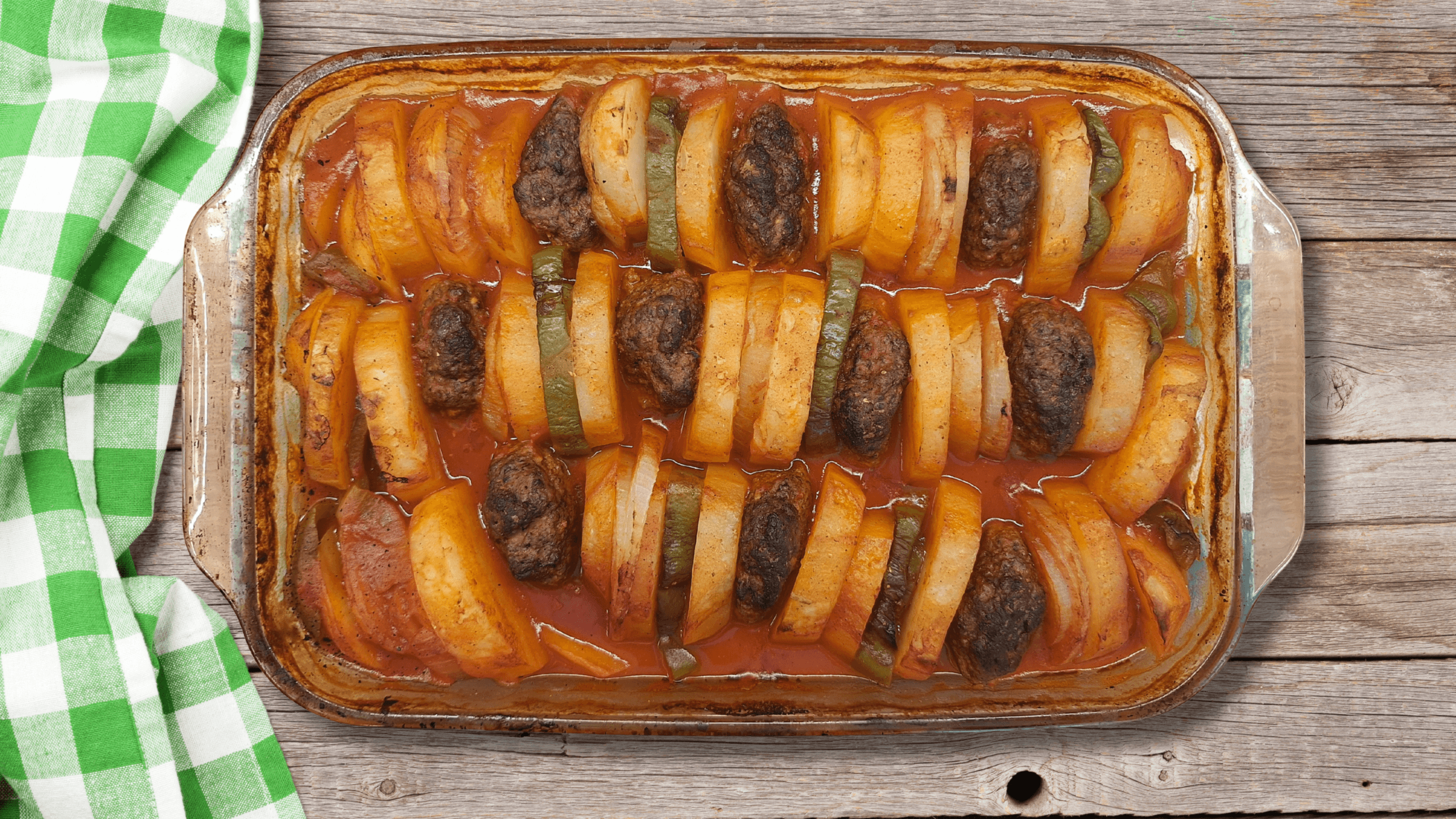
    Kofta and Potatoes is a hearty Egyptian-style baked dish made with seasoned beef kofta, sliced potatoes, onions, and green bell pepper in a spiced tomato sauce. The kofta is browned first, then layered with the vegetables and baked until the potatoes are tender and the sauce has soaked into everything.

    What is Kofta and Potatoes?

    Kofta and Potatoes is a baked Middle Eastern dish made with seasoned ground-meat patties, sliced potatoes, onions and peppers cooked together in a tomato-based sauce. The kofta is typically flavored with parsley, garlic and warm spices, then arranged with the vegetables before baking.

    In this Egyptian-style version, the kofta is browned first to develop extra flavor, then layered upright with potatoes, onions and green bell pepper. A spiced tomato sauce is poured over everything before the dish is covered and baked until the potatoes are tender and the kofta is fully cooked.

    Kofta and Potatoes in Egyptian food culture

    Kofta is a familiar part of Egyptian home cooking, where seasoned ground meat is prepared in many forms, including grilled skewers, patties and baked dishes. Pairing kofta with potatoes and tomato sauce turns it into a filling family-style meal that is well suited to everyday cooking.

    Similar kofta-and-potato dishes are also found across other parts of the Middle East, with differences in seasoning, vegetables and cooking method. This version is treated as Egyptian-style, with beef kofta, potatoes, onions, green bell pepper and a warmly spiced tomato sauce.

    What does Kofta and Potatoes taste like?

    Kofta and Potatoes is rich, savory and warmly spiced, with the beef kofta bringing most of the depth and the potatoes soaking up the seasoned tomato sauce as they bake. Onions and green bell pepper add sweetness and a softer vegetable flavor.

    Baharat, cumin and coriander give the dish its warm Middle Eastern character, while the tomato sauce keeps everything moist and ties the meat and vegetables together. A little cayenne can add gentle heat without overpowering the other flavors.

    How Kofta and Potatoes varies

    Kofta and Potatoes varies across the Middle East in the shape of the kofta, the vegetables used and the seasoning of the sauce. Some versions use long kofta logs or meatballs instead of patties, while others add tomatoes, eggplant or different types of peppers.

    The tomato sauce can also range from simple and lightly seasoned to richer versions flavored with spices, broth or tomato paste. This version uses browned beef kofta, potatoes, onions and green bell pepper with a sauce seasoned with cumin, coriander, black pepper and optional cayenne.

    Where does Kofta and Potatoes come from?

    Kofta has a long history across the Middle East, North Africa and parts of South Asia, with many regional versions built around seasoned ground meat. In Egypt, kofta is commonly made with beef or lamb and flavored with ingredients such as onion, parsley and warm spices.

    Kofta and Potatoes is one of the many home-style baked preparations that combine kofta with vegetables and tomato sauce. Similar dishes are made across the region, but this version follows an Egyptian-style approach with beef kofta, potatoes, onions, green bell pepper and a spiced tomato sauce.

    Make Kofta and Potatoes at home

    Ready to make it yourself? Follow the full Kofta and Potatoes recipe with ingredients, step-by-step instructions, recipe notes and video.
  • Hawawshi

    Hawawshi

    This Egyptian Hawawshi recipe fills balady bread or pita with a richly seasoned beef mixture, sheep tail fat or beef tallow, onion, tomato and optional chilies, then bakes the stuffed breads until crisp outside and juicy inside. It is served hot with a creamy tahini-yogurt sauce on the side.

    Watch how to make Hawawshi

    Ingredients

    For the Hawawshi

    • 5 medium Egyptian balady breads or pita breads
    • 500 g (about 1 lb 2 oz) minced beef
    • 50 g (about 1 3/4 oz) sheep tail fat, frozen and grated, or beef tallow
    • 1 medium onion, about 150 g (5 oz)
    • 1/2 medium tomato, about 75 g (2 1/2 oz)
    • 2 fresh chilies (optional)
    • 1 tsp salt
    • 1 tsp black pepper
    • 1 tsp meat spice blend, baharat or all-purpose meat seasoning

    For the tahini-yogurt sauce

    • 120 g (1/2 cup) tahini
    • 120 g (1/2 cup) Greek yogurt
    • 2 tbsp (30 ml) fresh lemon juice
    • 2 small garlic cloves, minced or grated
    • 1/4 tsp salt, or to taste
    • 2–6 tbsp (30–90 ml) water, as needed to loosen the sauce

    Instructions

    Prepare the filling

    Preheat the oven to 180°C / 360°F.

    If using sheep tail fat, freeze it until firm, then grate it. Add the grated fat to the minced beef. If sheep tail fat is unavailable, use beef tallow instead.

    Place the onion, tomato and chilies, if using, in a food processor. Pulse until very finely chopped, but not completely liquid.

    Add the vegetable mixture to the minced beef and fat. Season with the salt, black pepper and meat spice blend. Mix thoroughly until evenly combined and slightly sticky.

    Fill the bread

    Divide the meat mixture into 5 equal portions.

    Make an opening in each balady bread or pita large enough to add one portion of filling. Stuff the bread, then press gently from the top to spread the meat evenly all the way to the edges.

    Bake the Hawawshi

    Place the stuffed breads on a parchment-lined baking tray.

    Bake on the middle rack for about 30 to 40 minutes, flipping after the first 15 minutes. The bread should be crisp and golden and the meat fully cooked inside.

    Make the tahini-yogurt sauce

    While the Hawawshi is baking, combine the tahini, Greek yogurt, lemon juice, garlic and salt in a bowl.

    Add the water gradually, 1 tablespoon at a time, until the sauce is creamy and pourable. Taste and adjust with additional lemon juice, salt or garlic if needed.

    Serve

    Serve the Hawawshi hot with the tahini-yogurt sauce on the side.

    Recipe Notes

    Balady bread or pita

    Egyptian balady bread is traditional for Hawawshi, but pita bread works well if balady bread is not available.

    Sheep tail fat

    Sheep tail fat gives the filling a richer, more traditional flavor. If you cannot find it, beef tallow is a good substitute.

    Cooking Hawawshi in a pan

    To cook Hawawshi in a pan instead of the oven, brush the outside of the bread lightly with ghee and cook over medium-low heat, flipping occasionally, until the bread is crisp and the meat is fully cooked inside.

    Learn more about Hawawshi

    Want to know more about the dish itself? Explore the origins, food culture and story behind Hawawshi.

  • Alexandrian Ful Medames

    Alexandrian Ful Medames

    This Alexandrian Ful Medames recipe turns slow-cooked fava beans into a creamy, richly seasoned breakfast with tomato, green pepper, garlic, tahini, cumin and coriander. Fresh vegetables and parsley are reserved for the top, while a generous drizzle of olive oil finishes the dish.

    Plan ahead: the dried fava beans need to soak overnight before cooking.

    Watch how to make Alexandrian Ful Medames

    Ingrdients

    • 1 1/2 cups dried fava beans, about 300 g (10.5 oz)
    • 1/2 onion
    • 2 garlic cloves
    • 1 large tomato
    • 1/2 green bell pepper
    • 1 bunch parsley
    • 3 tbsp tomato paste, about 45 g (1.6 oz)
    • 4 tbsp (60 ml / 1/4 cup) tahini
    • 1 tsp ground cumin
    • 1 tsp ground coriander
    • 1/2 tsp baking soda
    • Salt and black pepper, to taste
    • Lemon juice, optional
    • Olive oil, as needed

    Instructions

    Soak and cook the beans

    Soak the fava beans in plenty of water overnight.

    The next day, drain and rinse the beans well. Place them in a pot, cover with fresh water and add the baking soda.

    Bring to a boil over high heat, then reduce the heat and skim off any white foam that rises to the surface. Partially cover the pot and continue cooking until the beans are very tender.

    Once the beans are soft, remove them from the heat. Drain them, reserving some of the cooking liquid.

    Prepare the vegetables

    While the beans are cooking, grate the onion, finely dice the green pepper and tomato, finely chop the garlic, and chop the parsley.

    Set aside a small amount of the onion, tomato, green pepper, and parsley to use later as garnish.

    Blend the beans

    Return the cooked beans to the pot or transfer them to a bowl. Add a ladleful of the reserved cooking liquid and blend or pulse until the beans are creamy and soft.

    Add a little more cooking liquid as needed to reach the consistency you prefer.

    Cook the vegetables

    Heat a little olive oil in a pan over medium heat. Add the grated onion and cook for a couple of minutes.

    Add the green pepper and garlic and cook until the garlic becomes fragrant.

    Add the tomato and parsley and stir briefly. Then add the tomato paste, reduce the heat to medium, and cook until the vegetables are softened and well combined.

    Finish the Ful Medames

    Add the blended fava beans to the pan with the cooked vegetables and mix well.

    Stir in the tahini, then season with the cumin, coriander, salt, and black pepper. Taste and adjust the seasoning as needed.

    Finish with a drizzle of lemon juice, if using, and add a little reserved cooking liquid if you want a looser consistency.

    Serve

    Transfer the Ful Medames to a serving bowl. Top with the reserved onion, tomato, green pepper, and parsley, then finish with a generous drizzle of olive oil. Serve warm.

    Recipe notes

    Soaking the beans

    Soaking the dried fava beans overnight helps them cook more evenly and reduces the time needed on the stove.

    Baking soda

    The baking soda helps soften the beans as they cook. Use only the small amount listed in the recipe so it does not affect the flavor.

    Save the cooking liquid

    Reserve some of the bean cooking liquid before draining. It is useful for blending the beans and adjusting the final consistency without diluting the flavor.

    Adjust the texture

    Alexandrian Ful Medames can be served quite creamy or left slightly more textured. Add the reserved cooking liquid gradually until it reaches the consistency you prefer.

    Learn more about Ful Medames

    Want to know more about the dish itself? Explore the history, food culture, regional variations and story behind Ful Medames.

  • Egyptian Fattah

    Egyptian Fattah

    This Egyptian Fattah recipe layers buttery rice, seasoned bread, tender beef and a garlicky tomato-vinegar sauce into one rich, comforting dish. The beef broth is used throughout the recipe to tie the components together, while the final browning of the meat adds extra flavor and texture.

    Watch how to make Egyptian Fattah

    Ingredients

    For the beef and broth

    • 750 g (1 lb 10 oz) beef, cut into medium cubes
    • 4 tbsp (56 g / 2 oz) butter, divided
    • 1/2 tsp whole black peppercorns
    • About 10 green cardamom pods
    • 1/2 tsp coriander seeds
    • 2 bay leaves
    • 1/2 tsp sugar
    • 1 medium onion, quartered
    • 1.5 litres (about 6 1/3 cups) hot water
    • Salt, to taste

    For the rice

    • 1 1/2 cups short-grain rice, about 300 g (10 1/2 oz)
    • 3 cups (720 ml / 24 fl oz) reserved beef broth
    • 2 tbsp (28 g / 1 oz) butter

    For the tomato sauce

    • 1 tbsp (14 g / 1/2 oz) butter
    • 5 garlic cloves, minced
    • 1 tsp ground coriander
    • 4 tbsp (60 ml / 2 fl oz) white vinegar
    • 500 g (17 1/2 oz / about 2 cups) passata
    • 1/4 cup (60 ml / 2 fl oz) reserved beef broth
    • Salt, to taste

    For the bread

    • 2 pita breads, about 20 cm (8 inches) in diameter
    • 1 tbsp (14 g / 1/2 oz) butter
    • 2 garlic cloves, minced
    • 1 tsp ground coriander
    • 1/4 cup (60 ml / 2 fl oz) reserved beef broth
    • 1/4 cup (60 ml / 2 fl oz) prepared tomato sauce

    To garnish

    • Fresh parsley leaves

    Instructions

    Cook the beef and make the broth

    Prepare the components in the order below, since the beef broth will be used to cook the rice and flavor both the tomato sauce and bread.

    Cut the beef into medium-sized cubes. Smaller cubes will cook more quickly and evenly.

    Melt 2 tbsp (28 g / 1 oz) of the butter in a large pot over medium-high heat. Add the beef without overcrowding the pot, working in batches if necessary.

    Leave the beef undisturbed until the underside is well browned, then turn the cubes to brown the remaining sides. This should take about 10 minutes in total.

    Add the peppercorns, cardamom pods, coriander seeds, bay leaves, sugar and quartered onion. Stir briefly, then pour in 1.5 litres (about 6 1/3 cups) of hot water.

    Bring to a gentle boil, then reduce the heat, cover and simmer until the beef is tender, about 1 hour. The exact time will depend on the cut of beef and the size of the cubes.

    When the beef is nearly tender, season the broth with salt. Simmer for a few more minutes, then remove the beef and set it aside.

    Strain the broth and discard the onion and whole spices. You will need about 3 1/2 cups (840 ml) of broth for the remaining components. If you have slightly less, top it up with hot water.

    Prepare and cook the rice

    Rinse the rice several times until the water runs mostly clear, then drain well.

    Melt 2 tbsp (28 g / 1 oz) butter in a pot over medium heat. Add the drained rice and stir until every grain is coated with butter.

    Add 3 cups (720 ml / 24 fl oz) of the reserved beef broth. Bring to a boil, then reduce the heat to low and cover.

    Cook until the broth has been absorbed and the rice is tender. Cooking time and liquid requirements can vary by rice, so follow the package guidance if it differs significantly.

    Make the tomato sauce

    Melt 1 tbsp (14 g / 1/2 oz) butter in a saucepan over medium heat.

    Add the minced garlic and cook just until fragrant. Add the ground coriander and stir for about 30 seconds.

    Carefully pour in the white vinegar and stir well. Add the passata and bring to a gentle simmer.
    Stir in 1/4 cup (60 ml / 2 fl oz) of the reserved beef broth. Simmer until the sauce has thickened slightly and the flavors have combined. Taste and season with salt as needed.

    If using fresh tomatoes instead of passata, blend and strain about 500 ml (2 cups) of ripe tomatoes. Simmer the tomato purée longer, until its consistency resembles passata. Add the broth only if the finished sauce needs thinning.

    Prepare the bread

    While the beef cooks, cut the pita breads into roughly even squares using kitchen scissors, or tear them into pieces by hand. Egyptian baladi bread is traditionally used, but ordinary pita is a practical substitute outside Egypt.

    Melt 1 tbsp (14 g / 1/2 oz) butter in a large pan. Add the minced garlic and cook until fragrant, then add the ground coriander and stir briefly.

    Add the bread pieces and toss until evenly coated with the butter, garlic and coriander mixture.

    Pour in 1/4 cup (60 ml / 2 fl oz) of the reserved beef broth. Once the bread has absorbed it, add 1/4 cup (60 ml / 2 fl oz) of the prepared tomato sauce. Toss until evenly coated.

    Brown the beef and assemble the Fattah

    Melt the remaining 2 tbsp (28 g / 1 oz) butter in a pan. Add the cooked beef and fry for a few minutes until reheated and nicely browned.

    For the traditional assembly, begin with the bread and cover it with the rice. For the alternative presentation shown here, begin with the rice and add the bread as the second layer.

    Arrange the browned beef over the bread, then spoon the tomato sauce over the dish.

    Garnish with fresh parsley and serve immediately.

    Recipe notes

    Baladi bread or pita

    Egyptian baladi bread is the traditional choice, but ordinary pita works well if baladi bread is not available. Tear or cut it into bite-sized pieces before seasoning.

    Keep enough broth

    After straining the beef broth, you will need about 3 1/2 cups (840 ml) for the rice, tomato sauce and bread. If you are slightly short, top it up with hot water.

    Assembly

    The traditional arrangement begins with the bread and adds the rice on top. The alternative presentation used here begins with the rice and places the bread above it before adding the beef and tomato sauce.

    Learn more about Egyptian Fatta

    Want to know more about the dish itself? Explore the history, food culture, regional variations and story behind Egyptian Fattah.

  • Kofta and Potatoes

    Kofta and Potatoes

    This Kofta and Potatoes recipe combines seasoned beef kofta with sliced potatoes, onions, and green bell pepper in a warmly spiced tomato sauce. The kofta is browned first, then everything is arranged in a baking dish and cooked until the potatoes are tender and the sauce has soaked into the meat and vegetables.

    Watch how to make Kofta and Potatoes

    Ingredients

    For the vegetables

    • 1 kg (2 lb 3 oz) potatoes, peeled
    • 2 medium onions
    • 1 green bell pepper

    For the kofta

    • 500 g (1 lb 2 oz) ground beef
    • 1 medium onion, roughly chopped
    • 2 garlic cloves
    • 1 small bunch parsley, approximately 1 loosely packed cup (30 g / 1 oz)
    • 1 tsp salt
    • 1 tsp ground black pepper
    • ½ tbsp (1½ tsp) Middle Eastern baharat
    • Neutral cooking oil, for frying

    For the tomato sauce

    • 1 tbsp (14 g / ½ oz) butter
    • 2 cups (480 ml / 16 fl oz) passata
    • 2 cups (480 ml / 16 fl oz) water or beef broth
    • 1 beef bouillon cube, only if using water
    • Salt, to taste
    • 1 tsp ground black pepper
    • 1 tsp ground cumin
    • 1 tsp ground coriander
    • ½ tsp cayenne pepper, optional

    Passata alternative

    • 2 cups (480 ml / 16 fl oz) blended and strained fresh tomatoes
    • 2 tbsp (30 g / 1 oz) tomato paste

    Instructions

    Prepare the kofta mixture

    Place the onion, parsley, and garlic in a food processor.

    Process until very finely chopped, but not completely puréed.

    Transfer the mixture to a clean kitchen towel or fine-mesh strainer and squeeze out some of the excess liquid. Removing this moisture will help the kofta hold its shape.

    Add the onion mixture to the ground beef, followed by the salt, black pepper, and baharat.

    Mix briefly to distribute the seasonings.

    Shape and chill the kofta

    Using your hands, knead and squeeze the mixture as though you were kneading dough.

    Continue for about 5 minutes, or until the kofta mixture becomes cohesive and holds together easily.

    Shape the mixture into 10–12 discs.

    Each disc should be about 1 cm (⅜ inch) thick and slightly larger than the diameter of your potato slices, since the kofta will shrink during cooking.

    Arrange the kofta discs on a parchment-lined tray and refrigerate for 10 minutes.

    Prepare the tomato sauce

    Combine the passata with 2 cups water or beef broth.

    If using water, crumble in the beef bouillon cube.

    Add the black pepper, cumin, ground coriander, and optional cayenne pepper.

    Mix thoroughly, then taste and add salt only as needed.

    If using fresh tomatoes instead of passata, combine the blended and strained tomatoes with the tomato paste before adding the water or broth and seasonings.

    Prepare the vegetables and brown the kofta

    Preheat the oven to 200°C / 400°F.

    Slice the potatoes into rounds about 1 cm (⅜ inch) thick.

    Cut the green bell pepper into similarly sized pieces and thinly slice the 2 onions.

    Remove the kofta from the refrigerator.

    Heat a layer of neutral cooking oil in a large frying pan over medium-high heat.

    Add the kofta discs without overcrowding the pan, working in batches if necessary.

    Leave them undisturbed until the undersides are nicely browned, then turn them over and brown the other sides.

    The kofta does not need to cook completely at this stage because it will finish cooking in the oven.

    Transfer the browned patties to a plate lined with kitchen paper to absorb the excess oil.

    Assemble the baking dish

    Arrange the kofta and vegetables upright in a baking dish.

    Pack them snugly into rows, alternating the kofta patties with groups of potato slices, onion, and green bell pepper.

    Pour the prepared tomato sauce evenly around and over the kofta and vegetables.

    Bake and serve

    Cover the baking dish tightly with foil and bake for 50–60 minutes.

    Remove the foil and continue baking uncovered for another 10 minutes, allowing the exposed kofta and vegetables to brown and develop some color.

    The total baking time should be about 60–70 minutes.

    Before removing the dish from the oven, check that the potatoes are completely tender when pierced with a knife.

    Serve hot with white rice.

    Recipe Notes

    Squeeze out the onion mixture well

    Removing some of the excess moisture from the processed onion, parsley, and garlic helps the kofta mixture bind properly and reduces the chance of the patties breaking during frying.

    Knead the kofta until cohesive

    Do not just stir the meat mixture briefly. Kneading it by hand for several minutes helps develop a sticky, cohesive texture so the kofta holds together better during cooking.

    Shape the kofta slightly larger than the potatoes

    The kofta patties shrink as they cook, so shaping them slightly wider than the potato slices helps the finished rows look more even after baking.

    Brown the kofta without cooking it through

    The kofta only needs good color on both sides in the frying pan. It will finish cooking in the oven, so avoid overcooking it during the browning stage.

    Check the potatoes before serving

    The exact baking time can vary depending on how thickly the potatoes are sliced and how tightly the dish is packed. Before serving, pierce a potato slice with a knife to make sure it is completely tender.

    Adjust the sauce depending on your liquid

    If using beef broth, taste before adding extra salt. If using water and a bouillon cube, the bouillon will already contribute saltiness, so season carefully.

    Learn more about Kofta and Potatoes

    Want to learn more about the dish, its flavors, variations, and place in Egyptian food culture? Read our guide to Kofta and Potatoes.

  • Koshary

    Koshary

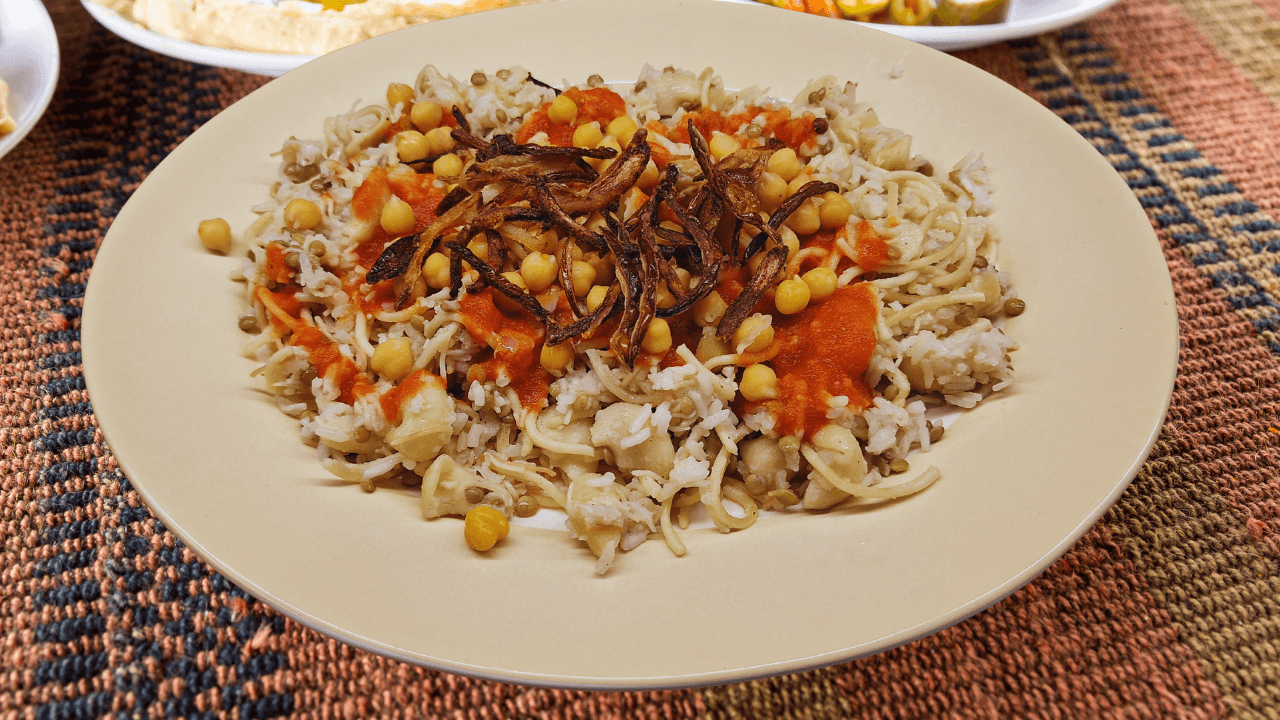
    This Koshary recipe brings together rice, lentils, pasta and chickpeas with a spiced tomato sauce, garlic-vinegar dressing and crisp fried onions. Each component is prepared separately before being layered together, creating the mix of comforting starches, acidity, spice and crunch that defines the Egyptian dish.

    Plan ahead: the dried chickpeas need to soak for at least 8 hours before cooking.

    Watch how to make Koshary

    Ingredients

    For the crispy onions

    • 2 large white or yellow onions
    • 1 tbsp flour
    • 1 tbsp starch
    • A generous amount of oil, for frying

    For the Koshary

    • 125 g (4.4 oz) brown lentils
    • 250 g (8.8 oz) rice
    • 1 cup dried chickpeas
    • 125 g (4.4 oz) spaghetti, broken into thirds
    • 125 g (4.4 oz) small pasta
    • 75 g (2.6 oz) vermicelli
    • 1 bouillon cube
    • 1 tbsp cumin
    • Salt and pepper, to taste

    For the tomato sauce

    • 1 tbsp minced garlic
    • 1 tsp cumin
    • 1 tsp coriander
    • 1 tbsp tomato paste
    • 720 ml (3 US cups) tomato juice, or 480 ml (2 US cups) passata, thinned with a little water if needed
    • 1/2 tsp sugar
    • Salt, to taste
    • Some of the reserved onion-frying oil

    For the Daqqa (garlic-vinegar sauce)

    • 240 ml (1 US cup) hot water
    • 120 ml (1/2 US cup) vinegar
    • Juice of 1 lemon
    • 1/2 tsp cumin
    • 1/2 tsp coriander
    • 1 tbsp minced garlic
    • Salt, to taste

    Instructions

    Make ahead

    Soak the chickpeas overnight. Drain, then boil them in fresh water until tender. Drain and set aside. Canned chickpeas can be used instead if you are short on time.

    Soak the brown lentils in water for at least 3 hours. In a separate bowl, soak the rice for 30 minutes. Drain both well before cooking.

    Fry the onions

    Slice the onions as evenly as possible. Pat them thoroughly dry, then toss with the flour and starch until evenly coated.

    Heat a generous amount of oil in a pan and fry the onions until golden and crisp. Transfer to a plate lined with paper towel to drain. Reserve the onion-frying oil for the remaining steps.

    Cook the Koshary

    Heat some of the reserved onion-frying oil in a large pot. Add the vermicelli and fry until golden.

    Add the drained rice and lentils, followed by the spaghetti and small pasta. Mix well and cook for about 1 minute.

    Add the bouillon cube, cumin, salt and pepper. Pour in enough hot water to come about 1/2 inch (1.25 cm) above the ingredients. Bring to a boil, then reduce the heat, cover and simmer until the rice, lentils and pasta are cooked through and the liquid has been absorbed.

    Check occasionally as it cooks. When everything is tender, remove the pot from the heat and leave the lid slightly ajar for a few minutes so any excess moisture can escape.

    Make the tomato sauce

    Heat a little of the reserved onion-frying oil in a pan. Add the garlic and cook briefly, then stir in the cumin and coriander until fragrant.

    Add the tomato paste and mix well. Pour in the tomato juice, or the passata thinned with a little water if needed. Add the sugar and salt to taste. Simmer for a few minutes, adding a little more water if the sauce becomes too thick.

    Make the Daqqa

    Combine the hot water, vinegar, lemon juice, cumin, coriander, garlic and salt in a bowl. Mix well and set aside until serving.

    Assemble the Koshary

    Spoon the cooked Koshary mixture onto a serving plate or into individual bowls. Spoon over the tomato sauce, add the chickpeas, then finish generously with the crisp fried onions.
    Drizzle with Daqqa to taste and serve immediately.

    Learn more about Koshary

    Want to know more about the dish itself? Explore the story, origins and food culture behind Koshary

  • Koshary

    Koshary

    Koshary is one of Egypt’s most distinctive everyday dishes: a hearty combination of rice, lentils, pasta and chickpeas topped with spiced tomato sauce, garlic-vinegar sauce and crisp fried onions. Cheap, filling and deeply associated with Egyptian street food, it brings together simple ingredients into a dish with layers of texture, acidity, spice and crunch.

    What is Koshary?

    Rather than being cooked as a single combined dish, Koshary is assembled from separately prepared components and finished just before serving. The base is layered into the bowl, then the sauces and fried onions are added on top. This makes the final balance easy to adjust, and diners can add more tomato sauce, garlic-vinegar dressing or heat according to their preference.

    It is widely eaten as an inexpensive, filling meal and is especially associated with Egypt’s casual restaurants and street-food culture. Koshary shops range from small neighborhood counters to large specialist restaurants devoted almost entirely to the dish.

    Why Koshary matters in Egypt?

    Koshary occupies an unusual place in Egyptian food culture because it is both intensely ordinary and instantly recognizable. It is inexpensive enough to be an everyday meal, substantial enough to satisfy on its own, and familiar across different parts of Egyptian society. For many people, it is less a special-occasion food than something woven into daily life.

    The specialist Koshary shop is also part of the experience. Ingredients are prepared in quantity, assembled quickly and served with the sauces and condiments that allow each diner to adjust the final dish. That combination of affordability, speed and familiarity has helped make Koshary one of the foods most strongly associated with modern Egyptian eating.

    History and origins of Koshary

    The exact origins of Koshary are debated. One of the earliest known written descriptions comes from the nineteenth century, when the British explorer Richard Burton wrote of a dish eaten in Suez made from rice, lentils and onions. That early version was much simpler than the Koshary served in Egypt today.

    Over time, the dish evolved as new ingredients and influences became part of Egyptian cooking. Pasta, chickpeas, tomato sauce, garlic-vinegar dressing and crisp onions were gradually incorporated, creating the layered form now associated with modern Koshary. Although comparisons are often made with Indian khichdi and other rice-and-lentil dishes, historians do not agree on a single foreign origin for Koshary.

    The sauces and toppings that define Koshary

    Koshary depends heavily on what goes on top of the rice, lentils and pasta. A rich tomato sauce provides much of the dish’s flavor, while a sharp garlic-and-vinegar sauce—often known as daqqa or dakka—adds acidity that cuts through the starchier ingredients. A hot chili sauce, commonly called shatta, can be added for extra heat.

    Crisp fried onions provide the final contrast, adding sweetness, texture and crunch. The balance of tomato sauce, vinegar, garlic and chili can be adjusted at the table, which means two bowls built from the same basic ingredients can taste noticeably different depending on how each person seasons them.

    What does Koshary taste like?

    Koshary is hearty and savory, but the finished dish is more lively than its base ingredients might suggest. Rice, lentils and pasta create a mild, comforting foundation, while tomato sauce adds richness and a gentle tang. The garlic-vinegar dressing brings sharpness and acidity, and chili sauce can add anything from a little warmth to noticeable heat.

    Texture is just as important as flavor. The soft grains, lentils and pasta contrast with firm chickpeas and crisp fried onions, so a good bowl combines softness, crunch, acidity and spice in almost every bite.

    Cook Koshary at home

    Ready to make it yourself? Follow the full Koshary recipe with ingredients, step-by-step instructions and video.