Bread-Based Dish

  • Egyptian Fattah

    Egyptian Fattah

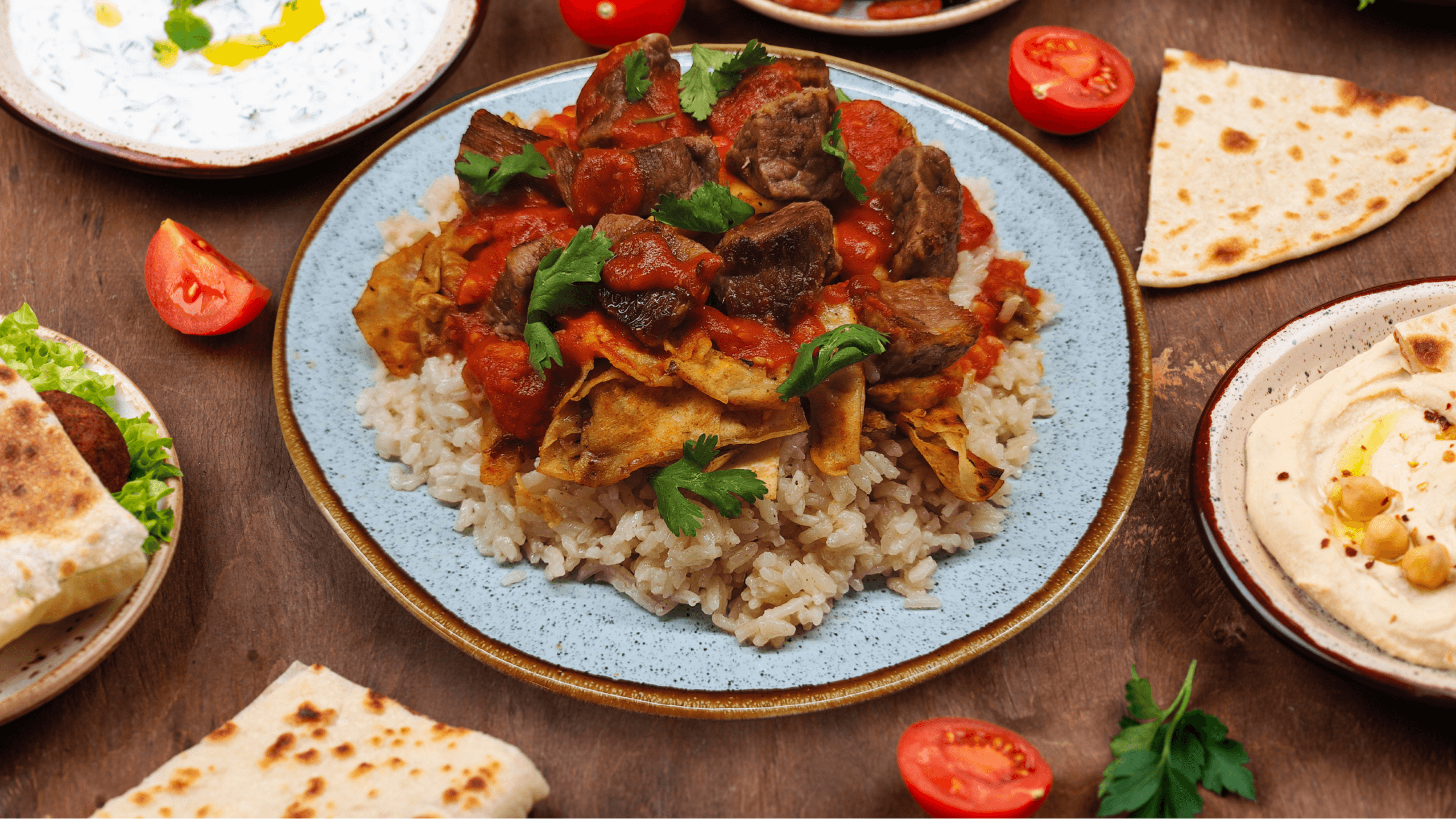
    Egyptian Fattah is a celebratory dish built from layers of crisp bread, rice, meat and a garlicky vinegar sauce, often finished with tomato sauce. Rich, tangy and deeply comforting, it is especially associated with major family gatherings and festive occasions in Egypt.

    What is Egyptian Fattah

    Egyptian Fattah is a layered dish traditionally made with crisp pieces of bread, rice and cooked meat, brought together with a sharp garlic-and-vinegar sauce. Tomato sauce is also commonly added, giving the dish extra richness and acidity. The contrast between crunchy bread, tender rice, savory meat and tangy sauce is what gives Egyptian Fattah its distinctive character.

    Egyptian Fattah is a layered dish traditionally made with crisp pieces of bread, rice and cooked meat, brought together with a sharp garlic-and-vinegar sauce. Tomato sauce is also commonly added, giving the dish extra richness and acidity. The contrast between crunchy bread, tender rice, savory meat and tangy sauce is what gives Egyptian Fattah its distinctive character.

    Egyptian Fattah in food culture

    In Egypt, Fattah is strongly associated with celebrations, family gatherings and special occasions. It is particularly well known as a festive dish served during Eid al-Adha, when meat is commonly shared among family and guests.

    Its generous layers and bold flavors make it a natural centerpiece for a large meal. Because recipes are often passed down through families, the balance of bread, rice, sauce and meat can vary considerably from one household to another.

    What does Egyptian Fattah taste like?

    Egyptian Fattah is rich, savory and tangy, with several contrasting textures in each bite. The rice and meat provide a hearty base, while the garlic-and-vinegar sauce adds sharpness and brightness. Crisp bread brings crunch, and tomato sauce adds extra depth, acidity and a subtle sweetness.
    The overall flavor is bold but balanced: rich enough to feel celebratory, yet lifted by the acidity of the vinegar and tomato.

    How Egyptian Fattah varies

    Egyptian Fattah can vary significantly from one household to another. Some versions use beef, while others are made with lamb, and the meat may be boiled, roasted or cooked separately before serving. The amount of tomato sauce also differs, with some families using it generously and others relying more heavily on the garlic-and-vinegar mixture.

    The bread can be toasted, fried or baked until crisp, and the final dish may be assembled in distinct layers or mixed more loosely before serving. These differences give family recipes their own character while keeping the essential combination of bread, rice, meat and tangy sauce intact.

    Where does Egyptian Fattah come from?

    The precise origin of Fattah is difficult to pin down. Its Arabic name is connected with the idea of breaking or crumbling, reflecting the pieces of bread at the heart of the dish. Bread-based dishes of this kind have a long history across the Arab world, and different regions developed their own distinctive versions.

    In Egypt, Fattah evolved into the recognizable combination of bread, rice, meat and a sharp garlic-and-vinegar sauce, often accompanied by tomato sauce. Today it is firmly established as part of Egyptian food tradition, particularly around Eid al-Adha and large family celebrations.

    Make Egyptian Fattah at home

    Ready to make it yourself? Follow the full Egyptian Fattah/recipes/egyptian-fattah/ recipe with ingredients, step-by-step instructions, recipe notes and video.
  • Fatteh

    Fatteh

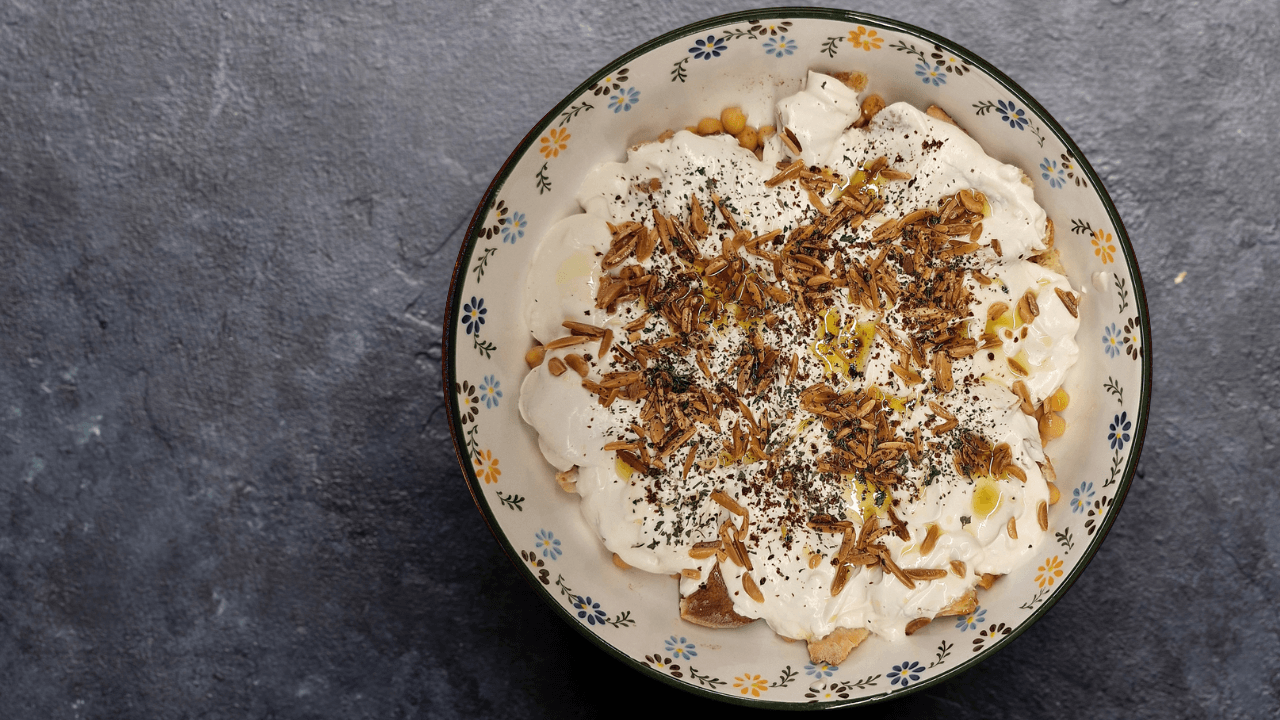
    Fatteh is a comforting Levantine dish built around layers of toasted or crisp bread, chickpeas and a creamy yogurt-based sauce, often flavored with tahini, garlic and lemon. Finished with nuts and other toppings depending on the version, it combines warm, soft and crunchy textures in a dish that is especially popular for breakfast and brunch but can be eaten at other times of day as well.

    What is Fatteh?

    Fatteh is assembled in layers rather than cooked as a single mixture. Pieces of bread form the base, chickpeas are added while warm, and a cool, tangy yogurt sauce is spooned over the top. Nuts and other garnishes are usually added just before serving so they keep their texture.

    The contrast between temperatures and textures is central to the dish: crisp or toasted bread softens slightly beneath the sauce, chickpeas add substance, and the yogurt mixture brings creaminess and acidity. Fatteh is best served soon after assembling, before the bread loses all of its crunch.

    Fatteh in Lebanon and the Levant

    Fatteh is closely associated with Lebanese food culture, but it is not uniquely Lebanese. Related versions are eaten across the Levant, including in Syria, Palestine and Jordan, with preparation and toppings varying from one place—and sometimes one household—to another. The shared name refers to a broader family of dishes rather than one rigidly standardized recipe.

    In Lebanon, Fatteh is particularly familiar at breakfast and brunch, both at home and in restaurants, although it is not confined to the morning. It can be served as part of a larger spread or eaten as a substantial dish on its own, and different versions may appear depending on the occasion and the cook.

    Different types of Fatteh

    There is no single definitive version of Fatteh. Chickpeas are common, but other versions may include eggplant, meat or different combinations of toppings and sauces. The bread itself can also vary in how it is prepared, from toasted pieces to bread fried until crisp.

    What connects these variations is the basic idea of layering bread with other ingredients and serving the components together so that contrasting textures remain part of the experience. This flexibility is one reason the name Fatteh can describe noticeably different dishes across the region.

    What does Fatteh taste like?

    Fatteh is creamy, tangy and savory, with the yogurt, tahini, garlic and lemon providing most of the dish’s flavor. Chickpeas are mild and earthy, while toasted or fried bread adds a deeper, slightly nutty character beneath the sauce.

    Texture is just as important as taste. The best bowls balance creamy sauce and tender chickpeas with bread that still retains some crispness, while nuts on top add another layer of crunch. Because the bread gradually absorbs the sauce after assembly, Fatteh changes noticeably the longer it sits.

    Where does Fatteh come from?

    Fatteh does not have a single clearly documented point of origin. The name is commonly linked to the Arabic root fatt, referring to breaking or tearing bread into pieces—a technique at the heart of the dish. Using bread in this way also made it possible to revive older bread and stretch other ingredients into a more substantial meal.

    That practical idea developed into many different preparations across the Arab world. In the Levant, bread might be combined with chickpeas, eggplant, meat or other ingredients and finished with yogurt, tahini or lemon-based sauces. What began as an economical way of building a meal has also become a dish served at family gatherings, restaurants and more elaborate occasions.

    Make Fatteh at home

    Ready to make it yourself? Follow the full Fatteh recipe with ingredients, step-by-step instructions and video.

  • Musakhan

    Musakhan

    Musakhan is a traditional Palestinian dish of roasted chicken served over taboon bread soaked with olive oil and topped with onions cooked with sumac. Rich, tangy and deeply savory, it is often finished with toasted pine nuts and is known for the way the bread absorbs the juices, olive oil and spices from the chicken and onions.

    What is Musakhan?

    Musakhan is built by layering several simple components rather than cooking everything together in one pot. Taboon bread forms the base, followed by onions softened in generous amounts of olive oil and seasoned heavily with sumac, then roasted chicken placed on top.

    As the dish is assembled, the bread absorbs the olive oil, onion juices and chicken drippings, becoming soft and richly flavored while still retaining some structure. The contrast between the tangy onions, savory chicken and oil-soaked bread is central to the dish.

    Musakhan in Palestinian food culture

    Musakhan is closely associated with Palestinian home cooking and communal meals, especially when prepared for family gatherings and shared directly from large platters. Its ingredients reflect some of the most characteristic flavors of Palestinian cooking: olive oil, sumac, bread, onions and roasted chicken.

    The dish is particularly tied to the olive harvest season, when freshly pressed olive oil is traditionally celebrated in Palestinian households. Because olive oil is such a central ingredient in Musakhan, the dish is often seen as an expression of both Palestinian agriculture and hospitality.

    What does Musakhan taste like?

    Musakhan is rich and savory, with a pronounced tanginess from sumac cutting through the olive oil and roasted chicken. The onions become soft and sweet as they cook, balancing the sumac’s tart, slightly fruity character.

    The bread is just as important to the experience as the chicken. It absorbs olive oil, onion juices and roasting drippings, giving each bite a soft, deeply seasoned base, while toasted pine nuts add a contrasting crunch when used as a garnish.

    Where does Musakhan come from?

    The bread is just as important to the experience as the chicken. It absorbs olive oil, onion juices and roasting drippings, giving each bite a soft, deeply seasoned base, while toasted pine nuts add a contrasting crunch when used as a garnish.

    The bread is just as important to the experience as the chicken. It absorbs olive oil, onion juices and roasting drippings, giving each bite a soft, deeply seasoned base, while toasted pine nuts add a contrasting crunch when used as a garnish.

    How Musakhan varies

    Traditional Musakhan is usually served as whole pieces of chicken arranged over large rounds of bread with sumac onions and olive oil. The exact balance of sumac, onion and oil can vary from one household to another, and toppings such as pine nuts or almonds may also differ.

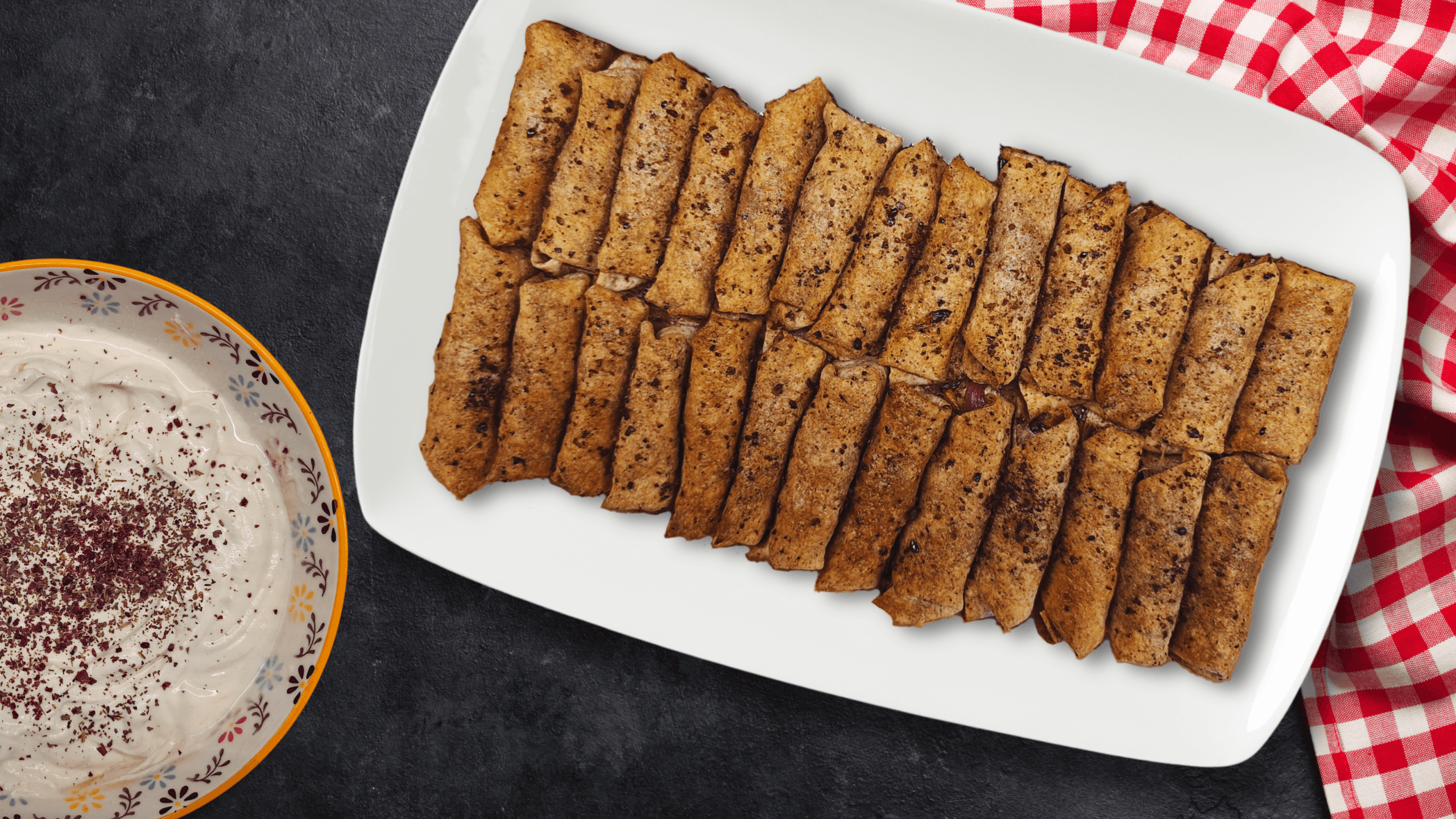
    A more modern variation is Musakhan rolls, in which the chicken and onion mixture is wrapped inside smaller pieces of flatbread and baked or toasted. The flavors are similar, but the rolled version is easier to serve as an appetizer or individual portion and should be considered a variation rather than the classic presentation.

    Make Musakhan at home

    Ready to make it yourself? Follow the full Musakhan recipe with ingredients, step-by-step instructions, recipe notes and video.

  • Egyptian Fattah

    Egyptian Fattah

    This Egyptian Fattah recipe layers buttery rice, seasoned bread, tender beef and a garlicky tomato-vinegar sauce into one rich, comforting dish. The beef broth is used throughout the recipe to tie the components together, while the final browning of the meat adds extra flavor and texture.

    Watch how to make Egyptian Fattah

    Ingredients

    For the beef and broth

    • 750 g (1 lb 10 oz) beef, cut into medium cubes
    • 4 tbsp (56 g / 2 oz) butter, divided
    • 1/2 tsp whole black peppercorns
    • About 10 green cardamom pods
    • 1/2 tsp coriander seeds
    • 2 bay leaves
    • 1/2 tsp sugar
    • 1 medium onion, quartered
    • 1.5 litres (about 6 1/3 cups) hot water
    • Salt, to taste

    For the rice

    • 1 1/2 cups short-grain rice, about 300 g (10 1/2 oz)
    • 3 cups (720 ml / 24 fl oz) reserved beef broth
    • 2 tbsp (28 g / 1 oz) butter

    For the tomato sauce

    • 1 tbsp (14 g / 1/2 oz) butter
    • 5 garlic cloves, minced
    • 1 tsp ground coriander
    • 4 tbsp (60 ml / 2 fl oz) white vinegar
    • 500 g (17 1/2 oz / about 2 cups) passata
    • 1/4 cup (60 ml / 2 fl oz) reserved beef broth
    • Salt, to taste

    For the bread

    • 2 pita breads, about 20 cm (8 inches) in diameter
    • 1 tbsp (14 g / 1/2 oz) butter
    • 2 garlic cloves, minced
    • 1 tsp ground coriander
    • 1/4 cup (60 ml / 2 fl oz) reserved beef broth
    • 1/4 cup (60 ml / 2 fl oz) prepared tomato sauce

    To garnish

    • Fresh parsley leaves

    Instructions

    Cook the beef and make the broth

    Prepare the components in the order below, since the beef broth will be used to cook the rice and flavor both the tomato sauce and bread.

    Cut the beef into medium-sized cubes. Smaller cubes will cook more quickly and evenly.

    Melt 2 tbsp (28 g / 1 oz) of the butter in a large pot over medium-high heat. Add the beef without overcrowding the pot, working in batches if necessary.

    Leave the beef undisturbed until the underside is well browned, then turn the cubes to brown the remaining sides. This should take about 10 minutes in total.

    Add the peppercorns, cardamom pods, coriander seeds, bay leaves, sugar and quartered onion. Stir briefly, then pour in 1.5 litres (about 6 1/3 cups) of hot water.

    Bring to a gentle boil, then reduce the heat, cover and simmer until the beef is tender, about 1 hour. The exact time will depend on the cut of beef and the size of the cubes.

    When the beef is nearly tender, season the broth with salt. Simmer for a few more minutes, then remove the beef and set it aside.

    Strain the broth and discard the onion and whole spices. You will need about 3 1/2 cups (840 ml) of broth for the remaining components. If you have slightly less, top it up with hot water.

    Prepare and cook the rice

    Rinse the rice several times until the water runs mostly clear, then drain well.

    Melt 2 tbsp (28 g / 1 oz) butter in a pot over medium heat. Add the drained rice and stir until every grain is coated with butter.

    Add 3 cups (720 ml / 24 fl oz) of the reserved beef broth. Bring to a boil, then reduce the heat to low and cover.

    Cook until the broth has been absorbed and the rice is tender. Cooking time and liquid requirements can vary by rice, so follow the package guidance if it differs significantly.

    Make the tomato sauce

    Melt 1 tbsp (14 g / 1/2 oz) butter in a saucepan over medium heat.

    Add the minced garlic and cook just until fragrant. Add the ground coriander and stir for about 30 seconds.

    Carefully pour in the white vinegar and stir well. Add the passata and bring to a gentle simmer.
    Stir in 1/4 cup (60 ml / 2 fl oz) of the reserved beef broth. Simmer until the sauce has thickened slightly and the flavors have combined. Taste and season with salt as needed.

    If using fresh tomatoes instead of passata, blend and strain about 500 ml (2 cups) of ripe tomatoes. Simmer the tomato purée longer, until its consistency resembles passata. Add the broth only if the finished sauce needs thinning.

    Prepare the bread

    While the beef cooks, cut the pita breads into roughly even squares using kitchen scissors, or tear them into pieces by hand. Egyptian baladi bread is traditionally used, but ordinary pita is a practical substitute outside Egypt.

    Melt 1 tbsp (14 g / 1/2 oz) butter in a large pan. Add the minced garlic and cook until fragrant, then add the ground coriander and stir briefly.

    Add the bread pieces and toss until evenly coated with the butter, garlic and coriander mixture.

    Pour in 1/4 cup (60 ml / 2 fl oz) of the reserved beef broth. Once the bread has absorbed it, add 1/4 cup (60 ml / 2 fl oz) of the prepared tomato sauce. Toss until evenly coated.

    Brown the beef and assemble the Fattah

    Melt the remaining 2 tbsp (28 g / 1 oz) butter in a pan. Add the cooked beef and fry for a few minutes until reheated and nicely browned.

    For the traditional assembly, begin with the bread and cover it with the rice. For the alternative presentation shown here, begin with the rice and add the bread as the second layer.

    Arrange the browned beef over the bread, then spoon the tomato sauce over the dish.

    Garnish with fresh parsley and serve immediately.

    Recipe notes

    Baladi bread or pita

    Egyptian baladi bread is the traditional choice, but ordinary pita works well if baladi bread is not available. Tear or cut it into bite-sized pieces before seasoning.

    Keep enough broth

    After straining the beef broth, you will need about 3 1/2 cups (840 ml) for the rice, tomato sauce and bread. If you are slightly short, top it up with hot water.

    Assembly

    The traditional arrangement begins with the bread and adds the rice on top. The alternative presentation used here begins with the rice and places the bread above it before adding the beef and tomato sauce.

    Learn more about Egyptian Fatta

    Want to know more about the dish itself? Explore the history, food culture, regional variations and story behind Egyptian Fattah.

  • Fatteh

    Fatteh

    This Lebanese Fatteh recipe layers crisp pita bread and chickpeas with a creamy yogurt, tahini, garlic and lemon sauce, then finishes the dish with golden almonds, dried mint and sumac. The contrast between warm chickpeas, crunchy bread and cool, tangy yogurt is what makes the dish so satisfying.

    Plan ahead: the dried chickpeas need to soak for at least 8 hours before cooking.

    Watch how to make Fatteh

    Ingredients

    For the yogurt sauce

    • 500 g (17.6 oz) Greek yogurt
    • 3 tbsp tahini
    • 3 tbsp lemon juice
    • 2 cloves garlic, minced
    • Salt, to taste

    For the chickpeas and pita

    • 2 medium pita breads
    • Olive oil, for brushing
    • 3/4 cup dried chickpeas
    • 1/2 tsp cumin
    • Salt, to taste

    For the topping

    • 3 tbsp slivered almonds
    • 2 tbsp olive oil
    • 1/2 tsp dried mint
    • 1/2 tsp sumac

    Instructions

    Make ahead

    Soak the chickpeas overnight for at least 8 hours. Drain, then boil them in fresh water until tender. Drain and set aside, reserving a little of the chickpea cooking water.

    Toast the pita

    Preheat the oven and brush the pita breads lightly with olive oil. Bake until crisp and golden, then remove from the oven and allow them to cool slightly.

    Make the yogurt sauce

    In a bowl, combine the Greek yogurt, tahini, lemon juice, minced garlic and salt. Mix until smooth and well combined.

    Prepare the chickpeas and bread

    Break the toasted pita into small pieces and place them in a bowl. Add the cooked chickpeas and a little of the reserved chickpea cooking water. Season with salt and cumin, then mix gently.

    Assemble the Fatteh

    Spread the chickpea and pita mixture over the bottom of a serving dish or shallow platter. Spoon the yogurt mixture evenly over the top.

    Finish with almonds and spices

    Heat the 2 tablespoons of olive oil in a small pan. Add the slivered almonds and fry until golden. Drizzle the almonds and their oil over the Fatteh.

    Finish with the dried mint and sumac, then serve immediately while the bread still retains some crispness.

    Learn more about Fatteh

    Want to know more about the dish itself? Explore the variations, origins and food culture behind Fatteh.