Palestine

  • Musakhan

    Musakhan

    Musakhan is a traditional Palestinian dish of roasted chicken served over taboon bread soaked with olive oil and topped with onions cooked with sumac. Rich, tangy and deeply savory, it is often finished with toasted pine nuts and is known for the way the bread absorbs the juices, olive oil and spices from the chicken and onions.

    What is Musakhan?

    Musakhan is built by layering several simple components rather than cooking everything together in one pot. Taboon bread forms the base, followed by onions softened in generous amounts of olive oil and seasoned heavily with sumac, then roasted chicken placed on top.

    As the dish is assembled, the bread absorbs the olive oil, onion juices and chicken drippings, becoming soft and richly flavored while still retaining some structure. The contrast between the tangy onions, savory chicken and oil-soaked bread is central to the dish.

    Musakhan in Palestinian food culture

    Musakhan is closely associated with Palestinian home cooking and communal meals, especially when prepared for family gatherings and shared directly from large platters. Its ingredients reflect some of the most characteristic flavors of Palestinian cooking: olive oil, sumac, bread, onions and roasted chicken.

    The dish is particularly tied to the olive harvest season, when freshly pressed olive oil is traditionally celebrated in Palestinian households. Because olive oil is such a central ingredient in Musakhan, the dish is often seen as an expression of both Palestinian agriculture and hospitality.

    What does Musakhan taste like?

    Musakhan is rich and savory, with a pronounced tanginess from sumac cutting through the olive oil and roasted chicken. The onions become soft and sweet as they cook, balancing the sumac’s tart, slightly fruity character.

    The bread is just as important to the experience as the chicken. It absorbs olive oil, onion juices and roasting drippings, giving each bite a soft, deeply seasoned base, while toasted pine nuts add a contrasting crunch when used as a garnish.

    Where does Musakhan come from?

    The bread is just as important to the experience as the chicken. It absorbs olive oil, onion juices and roasting drippings, giving each bite a soft, deeply seasoned base, while toasted pine nuts add a contrasting crunch when used as a garnish.

    The bread is just as important to the experience as the chicken. It absorbs olive oil, onion juices and roasting drippings, giving each bite a soft, deeply seasoned base, while toasted pine nuts add a contrasting crunch when used as a garnish.

    How Musakhan varies

    Traditional Musakhan is usually served as whole pieces of chicken arranged over large rounds of bread with sumac onions and olive oil. The exact balance of sumac, onion and oil can vary from one household to another, and toppings such as pine nuts or almonds may also differ.

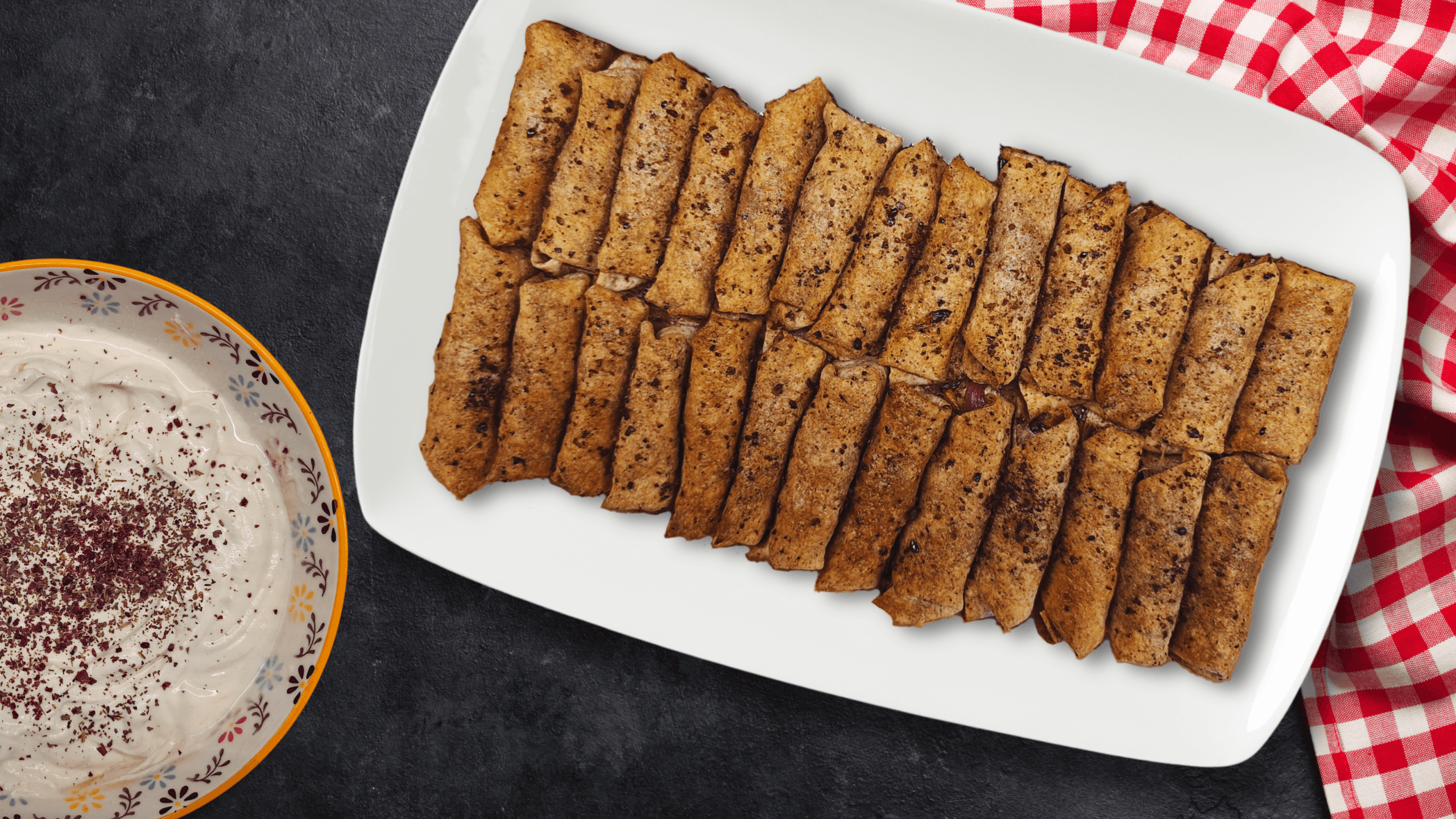
    A more modern variation is Musakhan rolls, in which the chicken and onion mixture is wrapped inside smaller pieces of flatbread and baked or toasted. The flavors are similar, but the rolled version is easier to serve as an appetizer or individual portion and should be considered a variation rather than the classic presentation.

    Make Musakhan at home

    Ready to make it yourself? Follow the full Musakhan recipe with ingredients, step-by-step instructions, recipe notes and video.

  • Musakhan Rolls

    Musakhan Rolls

    These Musakhan rolls wrap the flavors of the classic Palestinian dish into crisp, individual portions filled with shredded chicken, slow-cooked red onions, olive oil and plenty of sumac. Saj bread is the traditional choice for this style, but flour tortillas make a practical substitute, and the finished rolls are served hot with a creamy yogurt-tahini sauce.

    Watch how to make Musakhan Rolls

    Ingredients

    For the chicken

    • 1.5 kg (about 3.3 lb) chicken legs
    • Hot water, enough to cover the chicken
    • 1 cinnamon stick
    • 1 medium onion, roughly chopped, about 150 g (5 oz)
    • 4 cardamom pods
    • 2 bay leaves

    For the filling

    • 750 g (about 1.65 lb) red onions, thinly sliced
    • 180 ml (3/4 cup) olive oil
    • Cooked shredded chicken, from above
    • 4 tbsp sumac, plus more for finishing
    • 1 tbsp salt, about 18 g, or to taste
    • 1/2 tsp black pepper
    • 1 tsp Middle Eastern 7-spice blend

    For the yogurt-tahini sauce

    • 10 large flour tortillas, cut into 4 wedges (or 8 wedges if extra-large), or saj bread as needed
    • Extra oil from the chicken and onion filling, for brushing
    • Extra sumac, for sprinkling
    • Fresh parsley, chopped, for garnish

    For assembling

    • 480 g (2 cups) Greek Yogurt
    • 45 g (3 tbsp) tahini
    • 30 ml
    • (2 tbsp) fresh lemon juice
    • 2 garlic cloves, minced or grated
    • Salt, to taste
    • Sumac, for garnish

    Instructions

    Cook the chicken

    Place the chicken legs in a large pot and cover them with hot water. Add the cinnamon stick, roughly chopped onion, cardamom pods and bay leaves.

    Bring to a boil, then reduce the heat and skim off any foam that rises to the surface. Simmer for about 40 to 45 minutes, or until the chicken is very tender and easy to shred.

    Remove the chicken from the pot and set it aside until cool enough to handle. Strain and reserve the stock for another recipe if you like.

    Cook the onions

    While the chicken is cooking, add the sliced red onions and olive oil to large pan over medium heat.

    Cook slowly, stirring occasionally, for about 25 to 35 minutes, until the onions are soft, sweet and deeply softened. They do not need to become dark brown, but they should be tender and lightly caramelized.

    Make the filling

    Remove the skin and bones from the cooked chicken, then shred the meat using your hands or two forks.

    Add the shredded chicken to the pan with the onions and olive oil. Season with the sumac, salt, black pepper and 7-spice blend. Stir until the chicken is evenly coated with the onions, oil and spices.

    Taste and adjust the seasoning if needed. The filling should be savory, tangy from the sumac and rich from the olive oil. Remove from the heat and let it cool slightly before assembling the rolls.

    Assemble the rolls

    Preheat the oven to 180°C / 350°F and lightly oil a baking tray to prevent sticking.

    If using saj bread, cut it into pieces large enough to roll. If using flour tortillas, cut each tortilla into 4 wedges; if the tortillas are extra-large, cut each into 8 wedges.

    Place each roll seam-side down on the prepared baking tray so it does not open during baking.

    Bake the rolls

    Brush the tops of the rolls with some of the flavorful oil from the chicken and onion filling, then sprinkle with extra sumac.

    Bake for about 15 to 25 minutes, or until the rolls are golden and crisp. The exact baking time will depend on the type and thickness of the bread.

    Make the yogurt-tahini sauce

    While the rolls are baking, combine the Greek yogurt, tahini, lemon juice, garlic and salt in a bowl and mix until smooth. Taste and adjust with more lemon juice, salt or garlic if needed, then sprinkle a little sumac on top.

    Serve

    Remove the Musakhan rolls from the oven, garnish with chopped parsley and serve hot with the yogurt-tahini sauce on the side.

    Recipe notes

    Saj bread or flour tortillas

    Saj bread is the better option if you can find it, but flour tortillas work well as an accessible substitute. Adjust the size of the pieces as needed so the rolls are easy to fill and fold.

    Don’t skimp on the olive oil

    Olive oil is a major part of the flavor of Musakhan, so this is not a recipe where you want to reduce it too much. It helps flavor both the onions and the bread.

    If the filling seems very oily

    Use some of the excess flavored oil from the chicken and onion mixture to brush the rolls before baking, and leave the rest behind rather than adding all of it to the rolls.

    Other cuts of chicken

    Chicken breasts or boneless chicken thighs can be used instead of chicken legs. Adjust the cooking time as needed and cook the chicken only until tender enough to shred.

    Learn more about Musakhan

    Want to know more about the dish itself? Explore the origins, food culture, and story behind Musakhan.